We talked about symbiosis before, but let’s get more specific and discuss cleaning symbiosis this time. Simply put, cleaning symbiosis is a relationship between a pair of animals of different species. One side, the cleaner, removes diseased and injured tissues, ectoparasites, and unwanted food items from the surface of the host. Then another side, the client, just enjoys the benefits. We are having 5 pairs of animals that practice cleaning symbiosis today, have a look!
1Banded Mongoose & Warthog
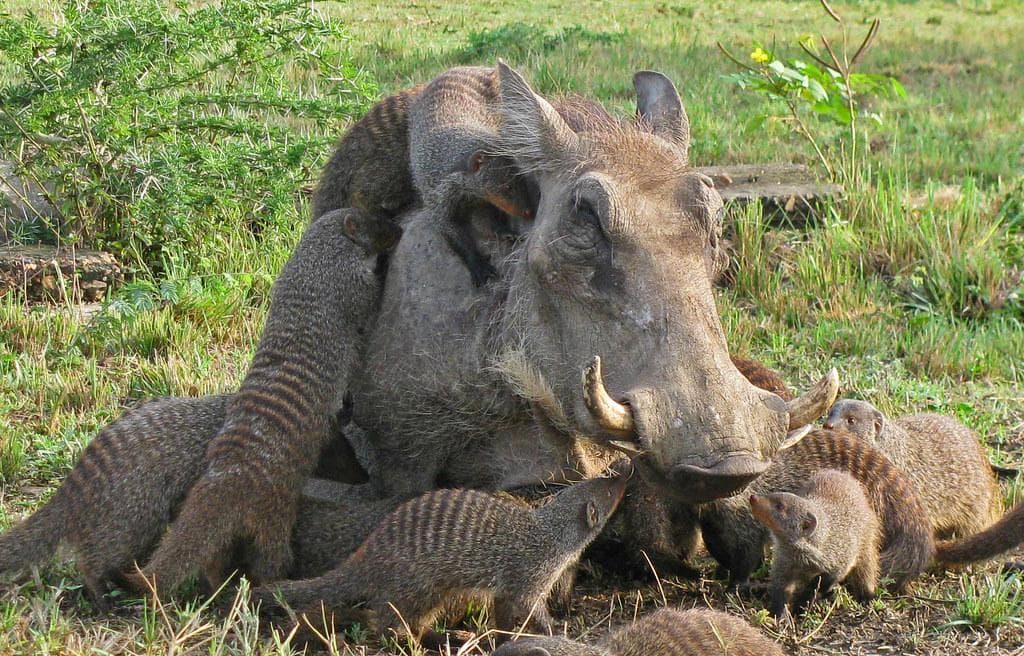
It is pretty common for banded mongooses to cooperate with common warthogs, forming a relationship called mutualism. A warthog will lie or stand still during the process, while a group of mongooses does its magic work. The mongooses will remove ticks and other parasites from the warthog’s body by feeding on them. Each mongoose has its spot, picking off ticks through the bristles. At the same time, the mongooses also receive protection from their warthogs while hanging out with the warthogs as well. But how do the mongooses know that it is time to clean? Simple. When a warthog drops its knees in the dust, then rolls onto its side and goes still, flank exposed, it is time. In the end, everyone walks home happy, full, and clean.
2Columbus Crab & Loggerhead Sea Turtle
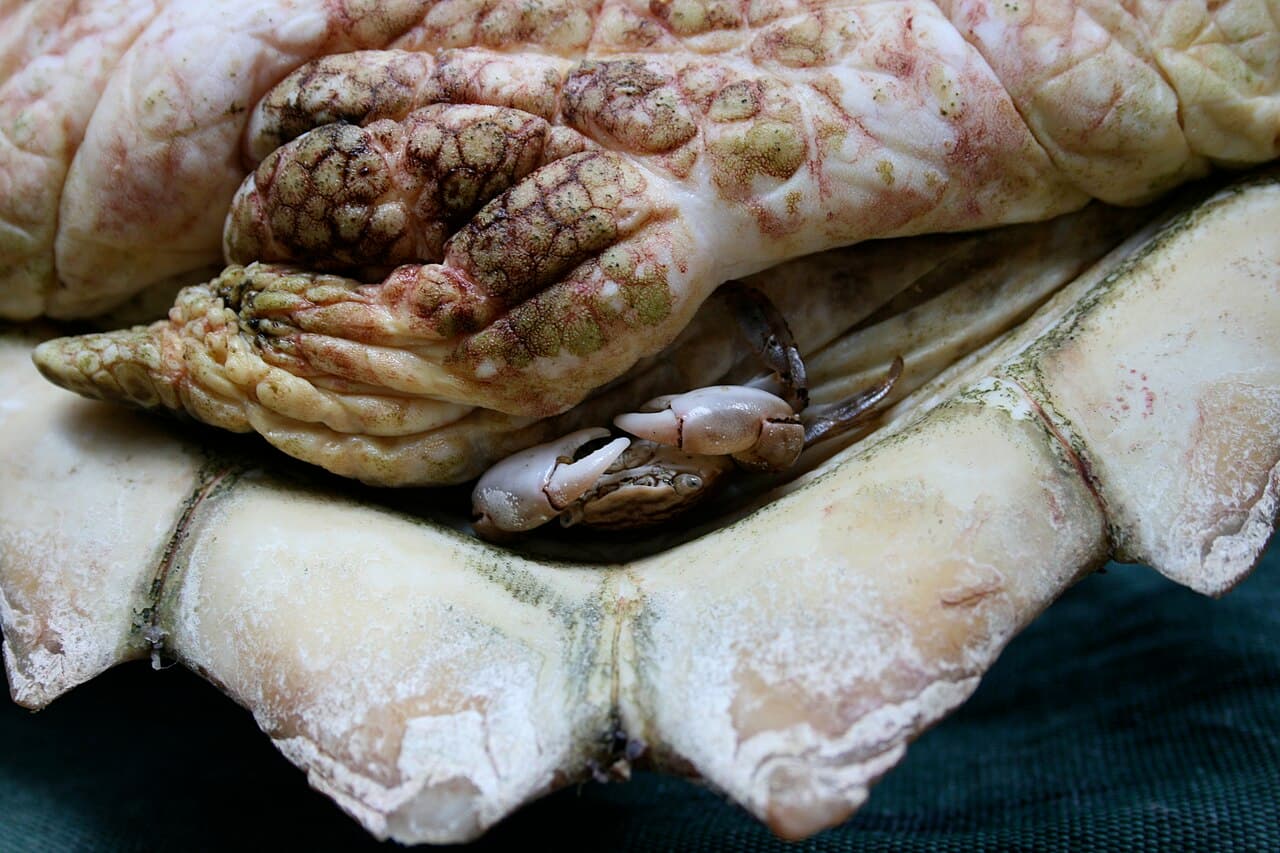
When a creature is so small, it always finds ways to survive in the harsh nature. The Columbus crab is a good example of that. These tiny pelagic crabs use the shells of loggerhead sea turtles as mobile habitats. They usually tuck themselves into a tiny space above the turtle’s tail and below the shell. More often, there is a pair of Columbus crabs, a male and female, living in a monogamous relationship, on their luxury floating home. The benefits that the crabs receive are protection, shelter, and transport. What about the things that they offer to the turtles? Not different from other cleaners, this one consumes harmful parasites and other hitchhiking epibionts like barnacle larvae. That way, the turtle’s shell is clean, the turtle is healthy and free from parasites, and everyone is happy.
3Cleaner Shrimp & Moray Eel
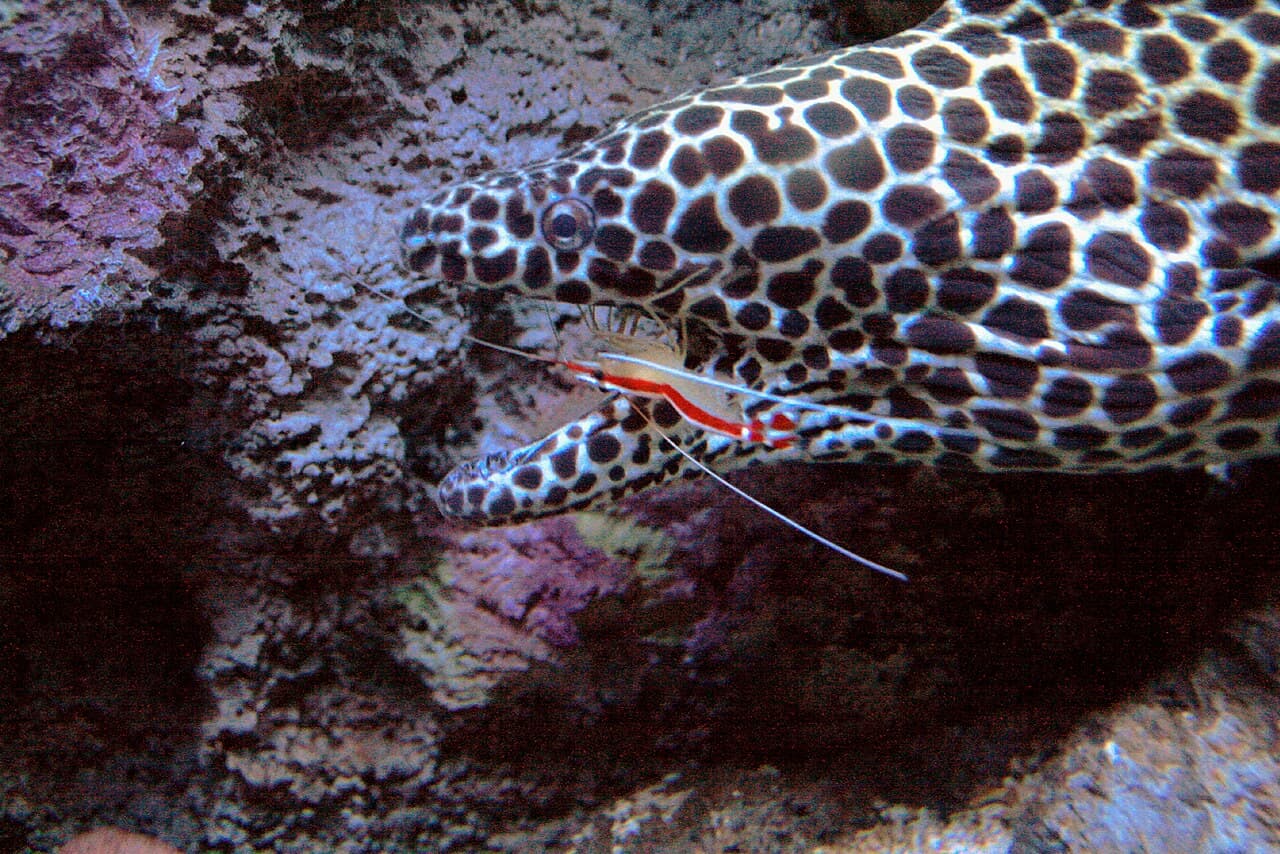
The name of the shrimp says it all for this relationship; they are the cleaners, and the morays are the clients. Usually, a moray eel will attack anything in its sight, except for the cleaner shrimps. This shrimp species congregates in teams called a “cleaning station”, and they move across the whole body of the eel. The most common area where the shrimps do the cleaning is inside the mouth of the eel. Their job is to remove algae, dead skin, insects, and parasites, by feeding on them. The eels allow this service so that it can remain healthy, and the benefits go to both parties. After the session, the eel no longer has any dead skin or parasites, and the shrimps are fully fed. Win-win!
4Crayfish Worm & Crayfish
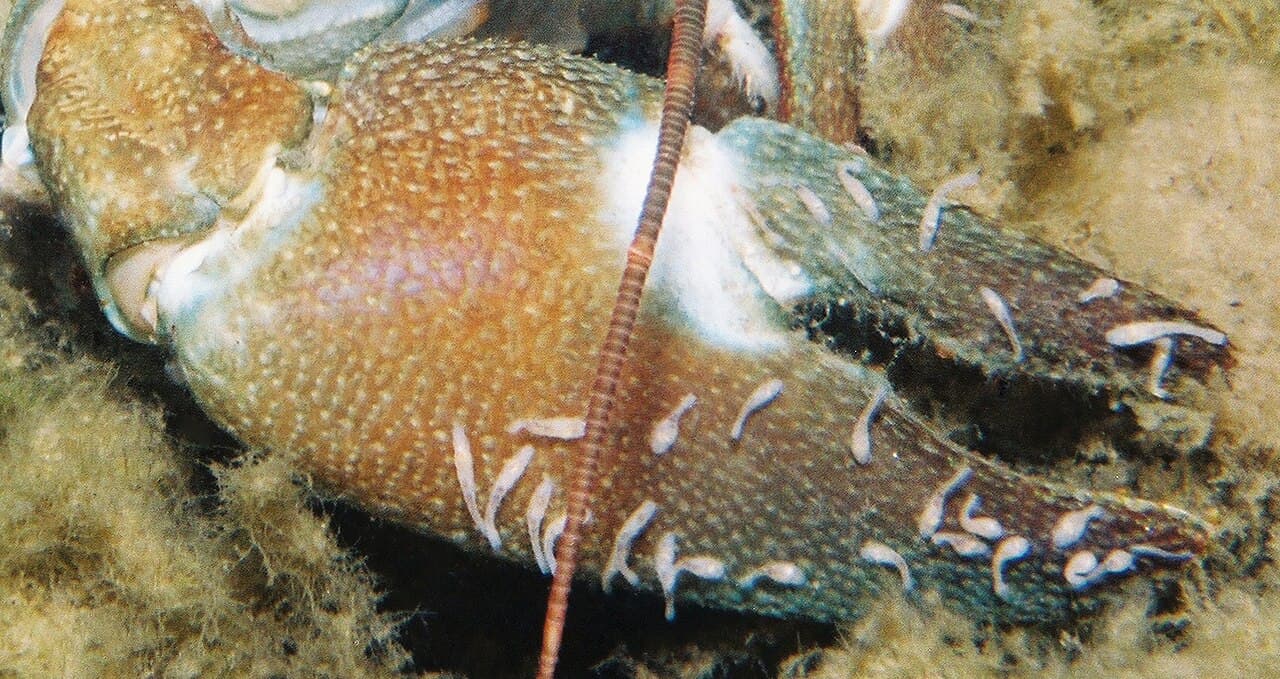
Crayfish worms live on crayfish, receiving both shelter and food from the host crayfish. They attach themselves to the outer shell, legs, and inside the gill chambers of the crayfish. These worms groom and keep the crayfish clean by eating harmful debris and sediment. In return, the crayfish has better activity and growth, which has important effects on freshwater systems. There are usually 3 to 6 worms on a crayfish, and this is a healthy amount. Even if they are not parasites, if the worm population grows too dense, they can actually turn parasitic and damage the crayfish’s gill tissue. So this mutualism does have a limit; otherwise, it will be bad for the host.
5Galapagos Finches & Marine Iguanas
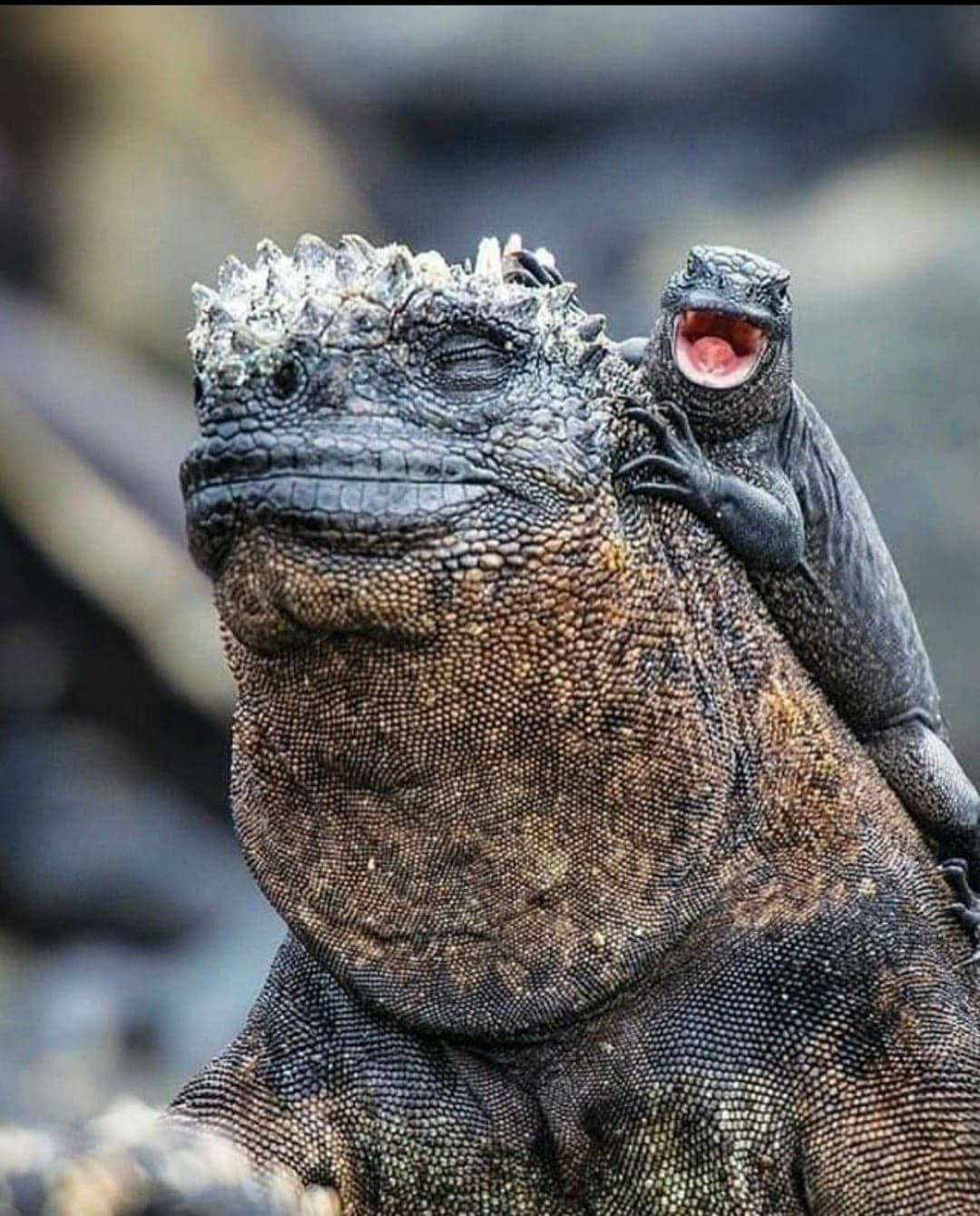
Finches on the Galapagos seek a reliable food source by foraging for ectoparasites, and it is not difficult looking for one. Food is extra abundant during the times when marine iguanas shed or sunbathe. The reptiles will stay in one place, allowing the finches to do whatever they need to do to get things done. These small ground finches pluck and eat parasitic ticks, mites, and flies directly off the iguanas’ skin. The benefits are pretty obvious: the birds gain an easy protein source, and the reptiles are free from pests.
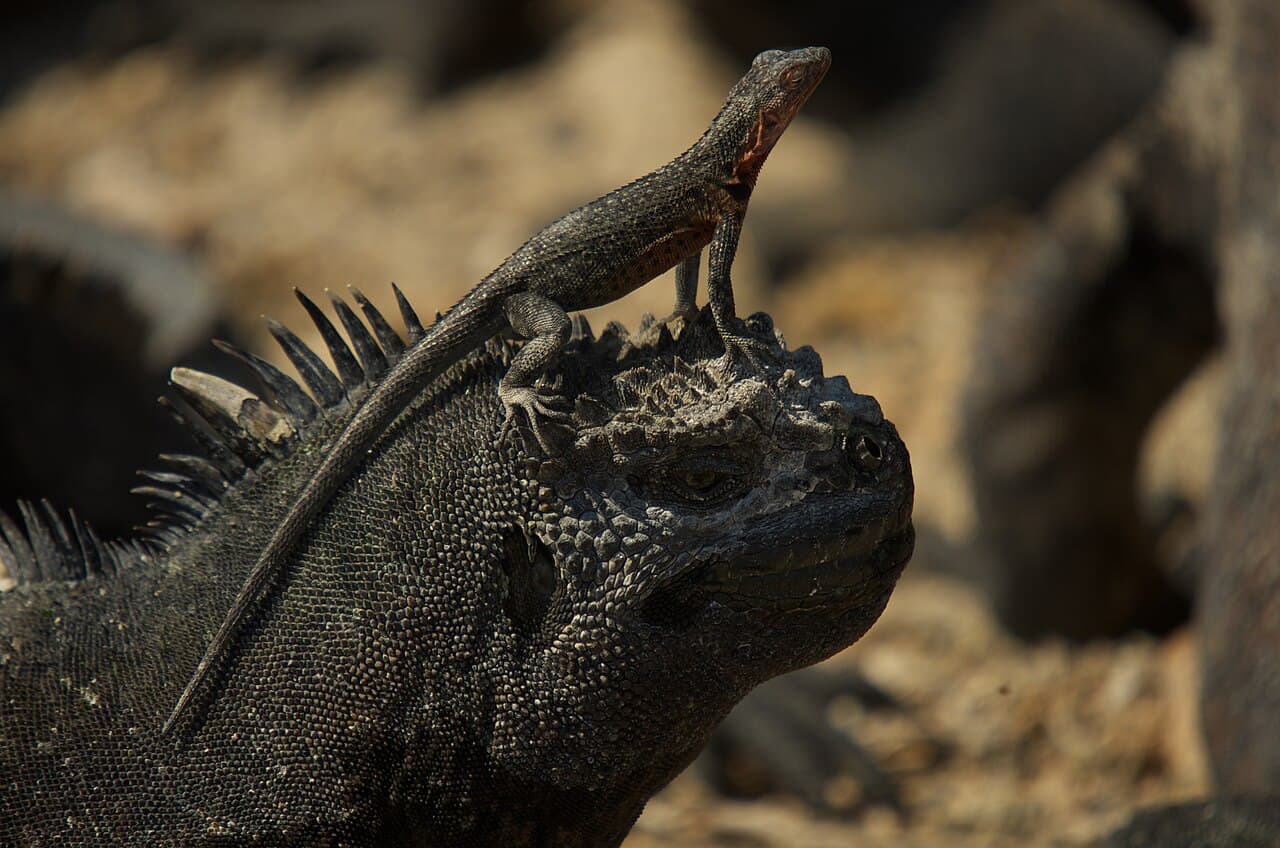
However, finches are not the only partner with which the marine iguanas have a mutualistic relationship with. This lucky reptile also has a mutualistic relationship with lava lizards as well, and here’s how it works. Lava lizards often scurry over the marine iguanas to hunt flies, and the iguanas allow that. Simply because they are bigger and slower, they rely on the lizards entirely to remove the flies. And underwater, they receive the cleaning service from fish like Pacific sergeant majors that pick off their molting skin. Lucky reptiles, indeed.
Related Post: Dissimilar Organisms That Live Together