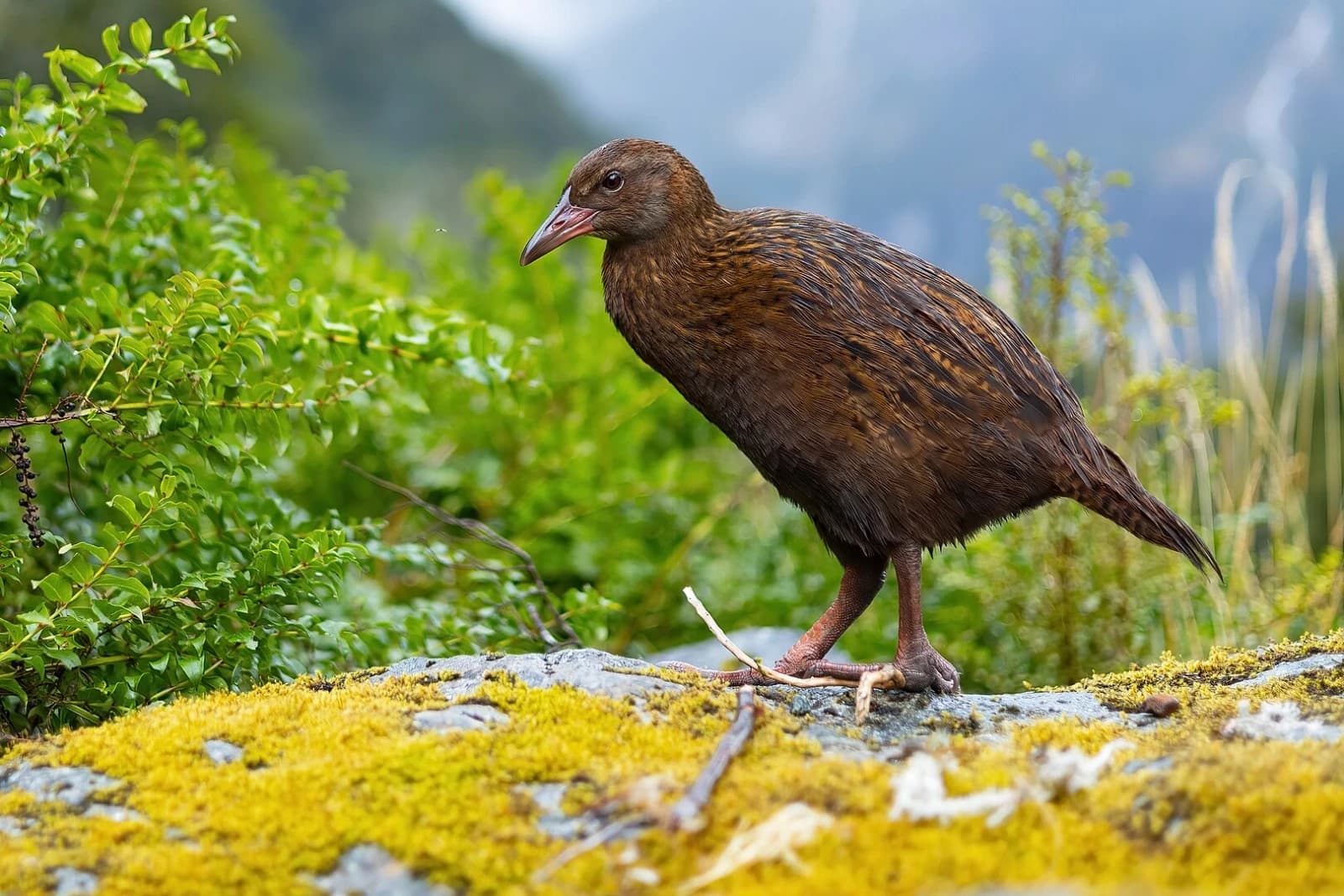
Weka aka the Māori hen, is a flightless bird that actually went extinct and came back to life. This is exactly the reason why I want to write about them, because it is nice to know about them. A weka has a combination of elegance and chill at the same time, and there is much more than just the look. We are going to learn a few interesting things about this bird today, so let’s check them out.
1Appearance
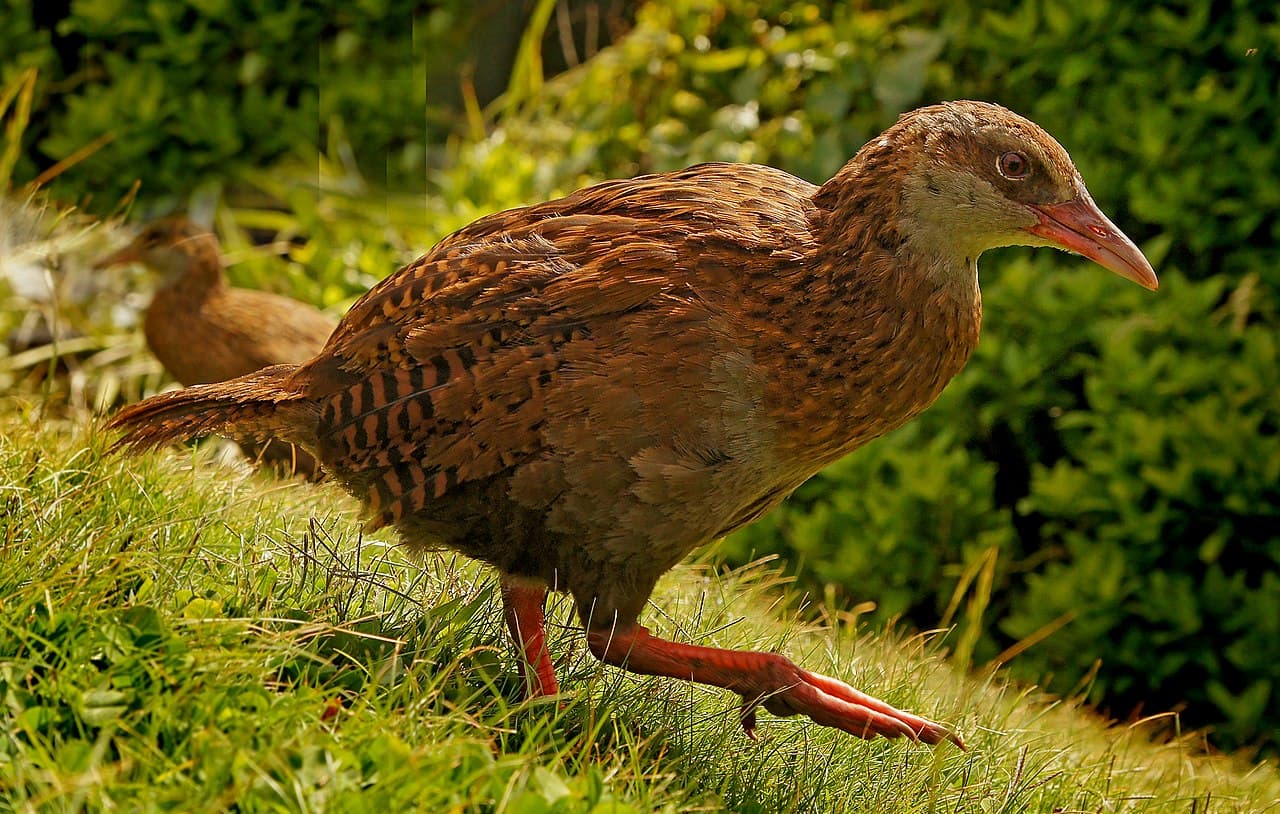
Just about the size of a chicken, this sturdy brown bird is one of a kind. A weka is rich brown in color, and it has black and gray mottles. Males grow to around 50 to 60 centimeters, while females are only around 50 centimeters tall maximum. It has a reddish-brown beak that is around 5 centimeters long, and it is an important weapon for the bird. Being a flightless bird, a weka’s wings are reduced, but their sturdy legs help them with running.
2Behavior
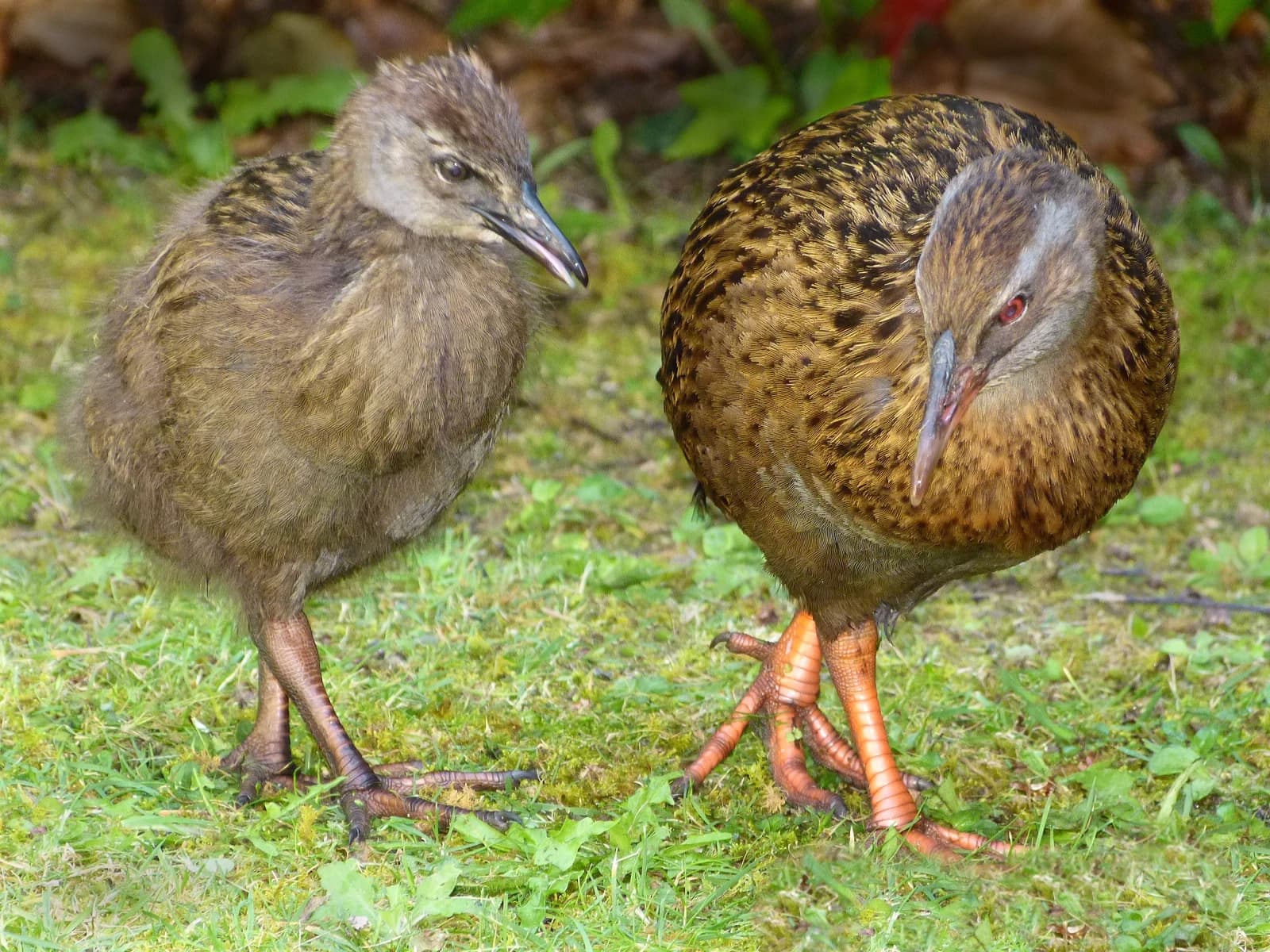
The interesting thing about this flightless bird is that they are curious and fearless, and they often approach people closely. Some even search around camps and houses for food scraps, or anything unfamiliar and transportable. Similar to some curious bird species, they also take shiny objects in particular. These flightless birds are territorial, and they can breed all year round if food is abundant. During the breeding season, the pairs feed during the day and roost together at night in the same location. Weka are monogamous, and they form long-lasting pair bonds. When food is plentiful, they can raise up to 4 broods throughout the whole year. Both parents take part in incubation, and they also feed the chicks until they are fully grown.
3Feeding & Habitats
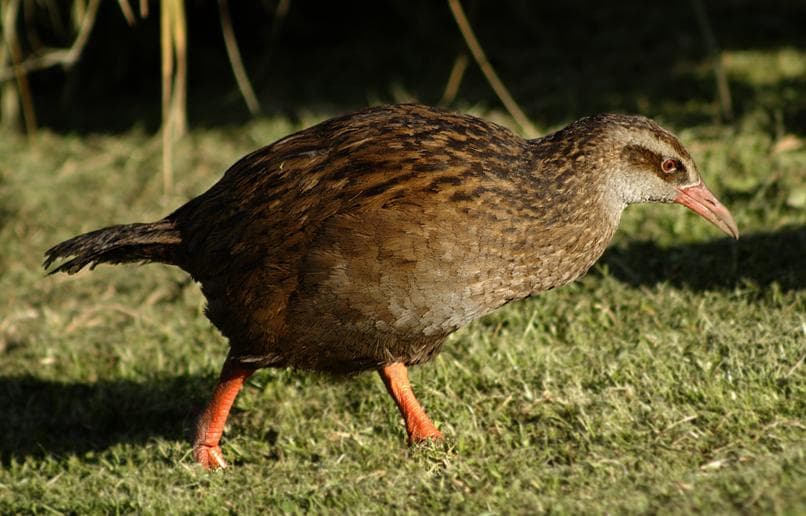
Endemic to New Zealand, weka lives in forests, modified semi-urban environments, rocky shores, rough pasture, sand dunes, and subalpine grassland. Weka are omnivorous birds that feed mainly on fruit (70%) and invertebrates (30%). When foraging, they move leaf litter with their bills, not their feet. Animal food includes ants, beetles, earthworms, frogs, grass grubs, larvae, small birds, snails, spiders, wētā, and more. As for plant foods, they are mostly berries, grass, leaves, and seeds.
Weka is a vulnerable species, and the Department of Conservation identifies 8 main threats to them. The main threat is predation by cats, dogs, ferrets, rats, and stoats on eggs, chicks, and adults. Then, there are also competitions for food with introduced species, diseases and parasites, droughts, habitat depletion, and more.
Related Post: Takahē Facts