Aardvark has a very complex appearance, making you wonder what kind of animal it is. Even the name is rather interesting, and it is actually an Afrikaans word meaning “earth pig”. And this name makes it confusing because aardvarks are the closest relatives to elephants and hyraxes. Want to find out about this unique creature? Check out more information about them below.
1Appearance
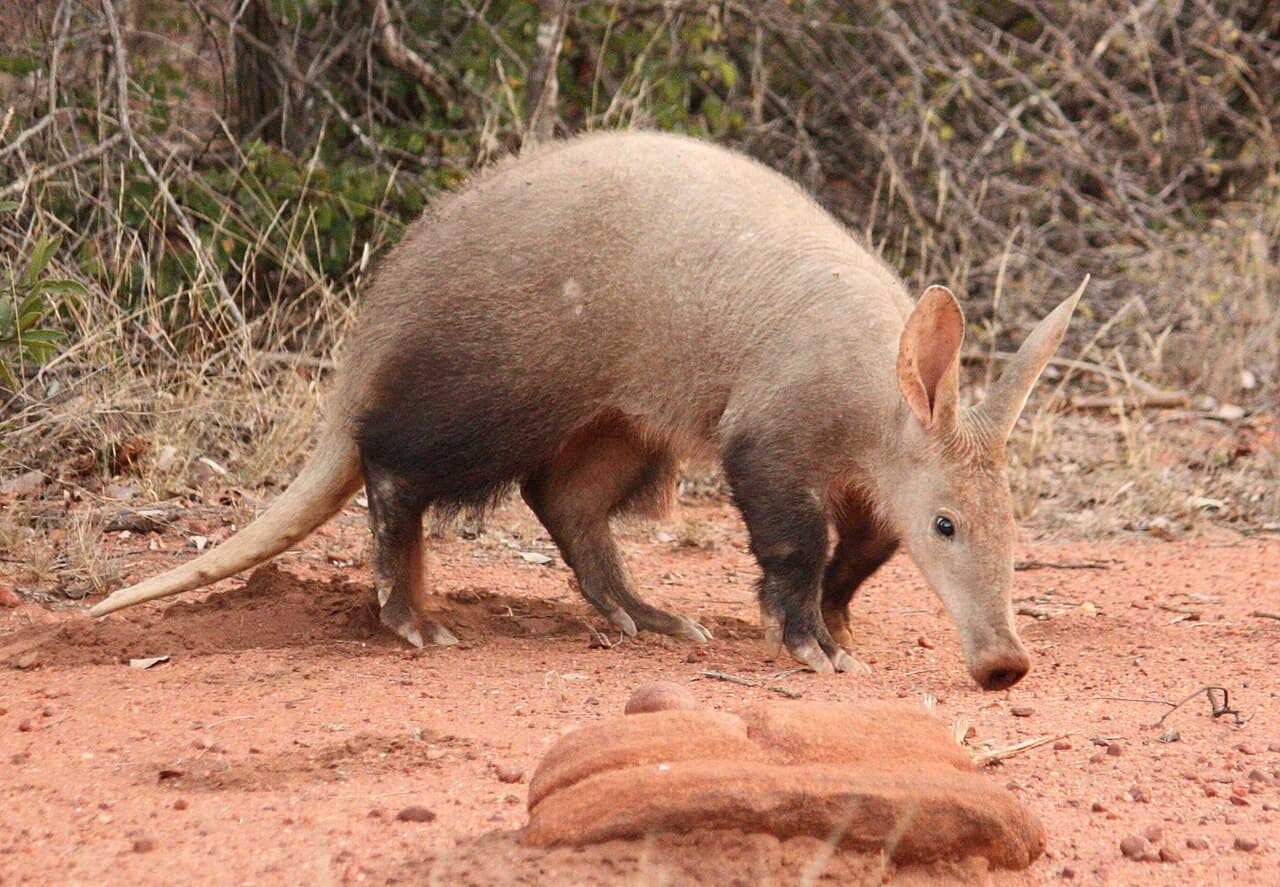
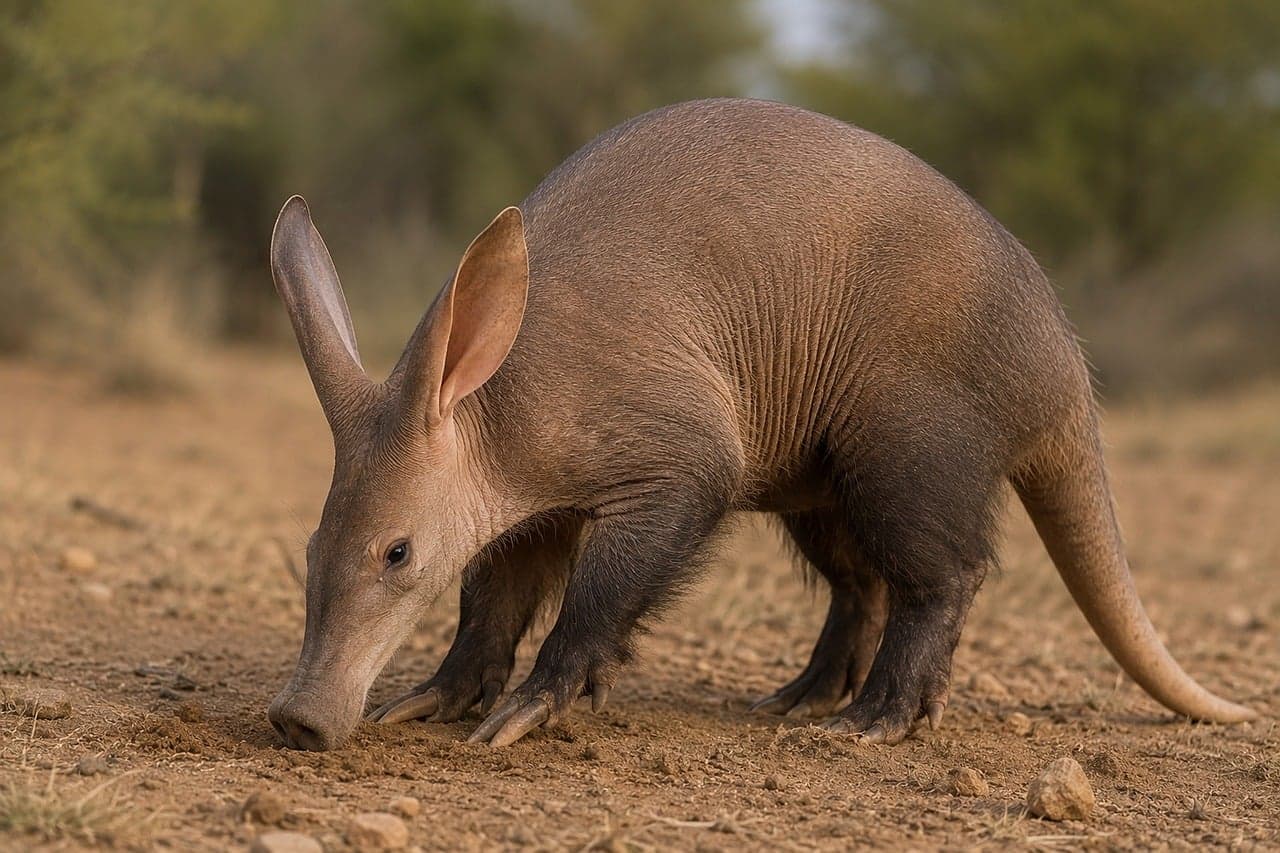
An aardvark has a stocky body with an arched back that measures 1 to 2.2 meters, including the tail. It stands 60 centimeters tall at the shoulder, and both males and females look alike. Aardvarks are pale yellowish-gray in color, but they often appear reddish-brown from soil stains. The body is sparsely covered with coarse hair, and it has a long tubular snout with large upright ears. It also has thick skin that is impervious to insect bites while feeding. An aardvark can also close its nostrils to keep out dust and insects. That snout is very useful, providing the animal with a keen sense of smell that helps with locating food. Along with that, its ears that are 20 to 25 centimeters long are also very effective and useful. Its keen hearing warns it of predators such as hyenas, leopards, lions, and pythons.
Their legs are not proportional, as the hind legs are longer than the front ones. This mammal is gifted with powerful and shovel-like claws that it uses for rapid digging for food. The front feet have 4 toes, while the back feet have all 5 toes; each of which has a large and robust nail. One of the most fascinating things about aardvarks is their teeth. Their teeth have no enamel coating, so they wear away and regrow continuously. Adult aardvarks have cheek teeth at the back of the jaw, consisting of 14 upper and 12 lower jaw molars. The most distinctive feature? Its tongue is 30 centimeters long, which allows it to extract insects from their nest.
2Behavior
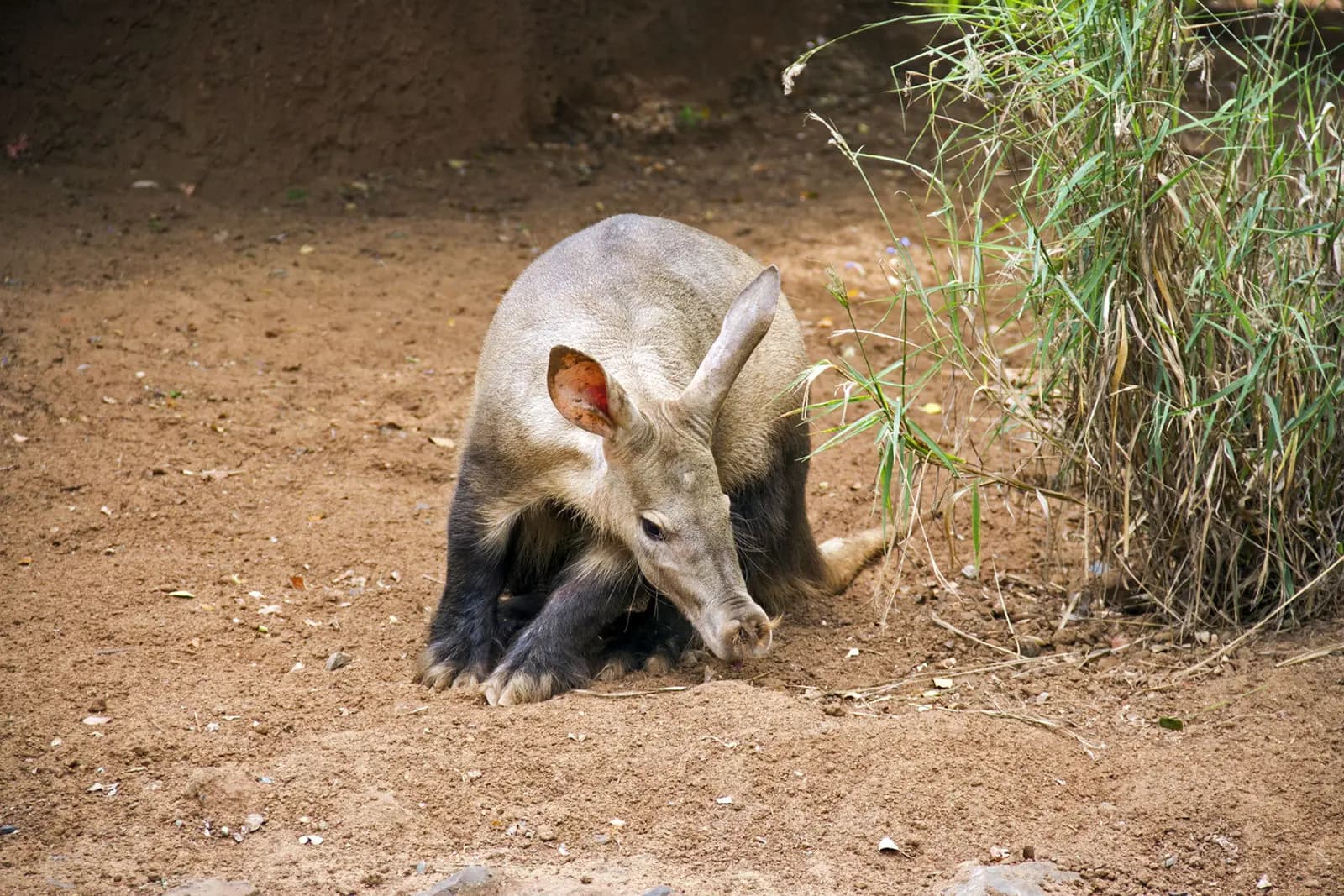
Aardvark is a nocturnal animal that spend its daytime resting inside deep underground burrows to avoid heat. When they sleep, they block out the burrow entrance and curl into a tight ball. In the late afternoon or shortly after sunset, aardvarks emerge from their burrows to forage. Their foraging range is around 10 to 30 kilometers, with multiple ant and termite mounds. They zigzag as they forage, and they will not repeat a route for a week to allow recovery time for termites. When foraging, an aardvark keeps its nose to the ground, and its ears pointed forward. It is also solitary, and it only comes together during the breeding season. Aardvarks are polygamous, and males do not play any role in parental care.
An aardvark digs a burrow to live in and rear its young, and there are 3 burrow types. Those include burrows made while foraging, permanent homes, and refuge and resting locations. Where aardvarks live, there are burrows scattered all over their home range. They frequently dig new burrows because other species make use of those burrows when they are vacant. Their main burrow is deep and extensive, with several entrances, and can be as long as 13 meters. Burrows dug by aardvarks can be large enough for a person to enter.
To protect itself, an aardvark can dig fast or run in zigzag fashion to confuse enemies. When under pressure, an aardvark can dig extremely quickly. If the predators persist, they will strike with their claws, tails, and shoulders. Sometimes, they also flip onto their backs before lashing out with all 4 feet.
3Feeding & Habitats
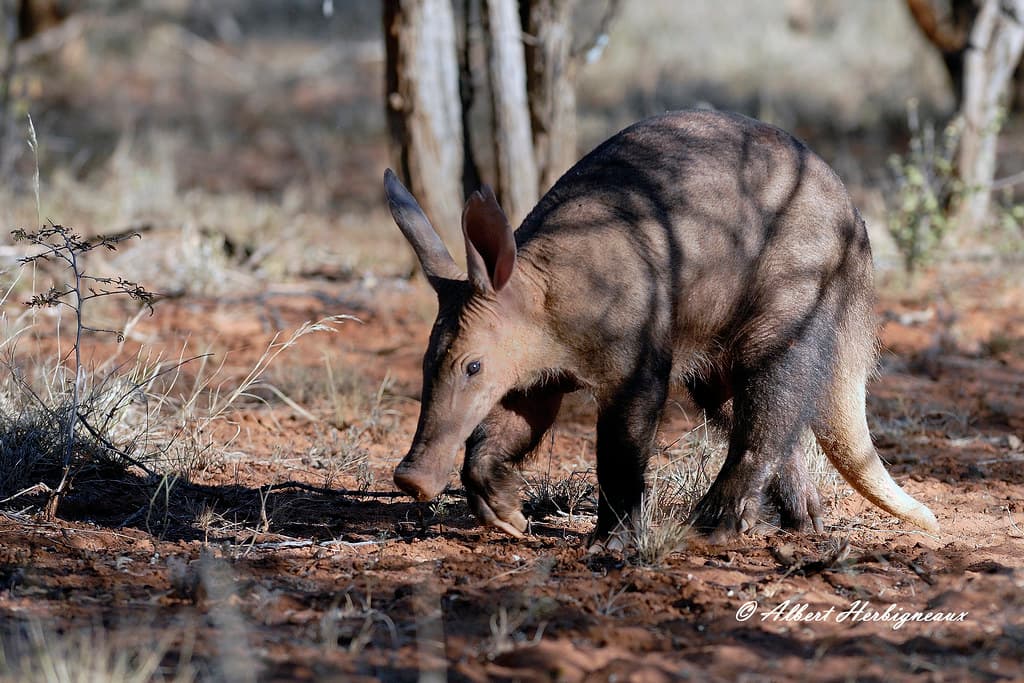
Aardvarks are strict insectivores, so they mainly feed on ants and termites, up to 50,000 of those on a single night. They feed by using their sharp claws and powerful legs to dig the insects out of their hills. Then, they use their long snout and tongue to feed on the scurrying insects. When the number of ants declines in winter, aardvarks rely more on termites. They often feed on epigeal mounds that coincide with the presence of alates that meet their nutritional needs. Aardvarks don’t eat all kinds of ants; they actually avoid eating the African driver ants and red ants. They need a large range to survive, and the colonies of these two ant species are not enough. The only fruit that aardvarks eat is the aardvark cucumber, and it grows near their burrows.
The aardvark is native to Africa, living in two-thirds of the southern part of Africa. This Afrotherian mammal lives in grasslands, savannas, and woodlands where food is abundant, and the soil is soft for digging. They avoid rocky areas and swamp forests, as those places cause problems when digging. The best thing about aardvarks is that the burrows that they dig provide crucial shelter and protection from wildfires for other animals. In times of fires, many African animals like hyenas, owls, and warthogs hide in aardvarks’ abandoned burrows for safety.
4Status & Threats
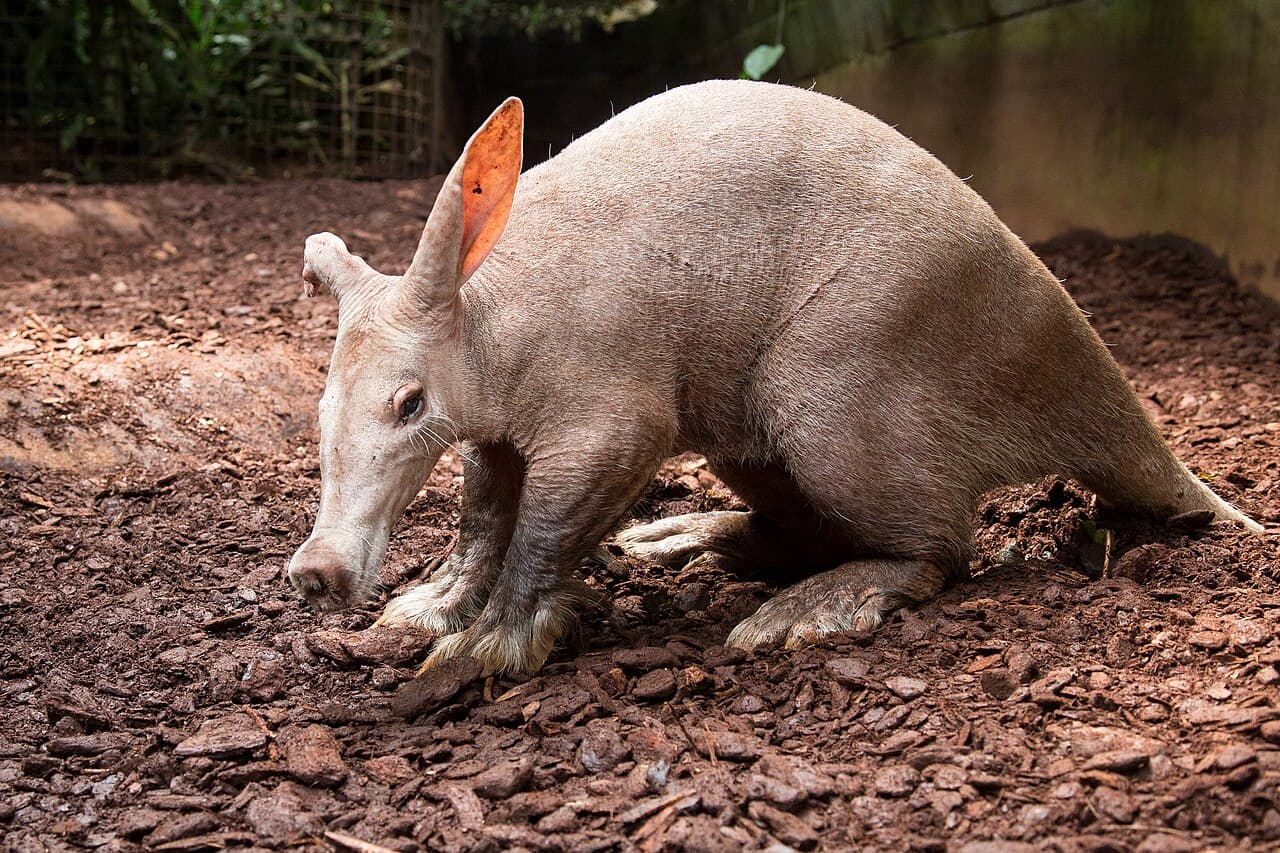
Their current status on the IUCN Red List is Least Concern, but there are threats that can affect their population. One of the main problems is food source decline, mainly termites. Because they rely on specific food, things can be challenging for them if their food is no longer abundantly available. Climate change and habitat loss due to human population growth are also affecting their lives and natural habitats. People also hunt aardvarks for the bushmeat trade in Mozambique and Zambia. Some tribes use their teeth as charms due to the belief that their teeth can bring good luck and prevent illness.
Related Post: Animals With The Longest Tongues