Animals that come back from extinction are proof that miracles do exist, and sometimes the end can wait. From climate change to hunting, there are so many causes that lead to the extinction of animals around the world. Some are gone, some made it back from the verge of extinction, and we are talking about the latter today. Below are 7 animals that came back from extinction, so let’s find out what they are.
1American Alligator
Scientific Name: Alligator Mississippiensis
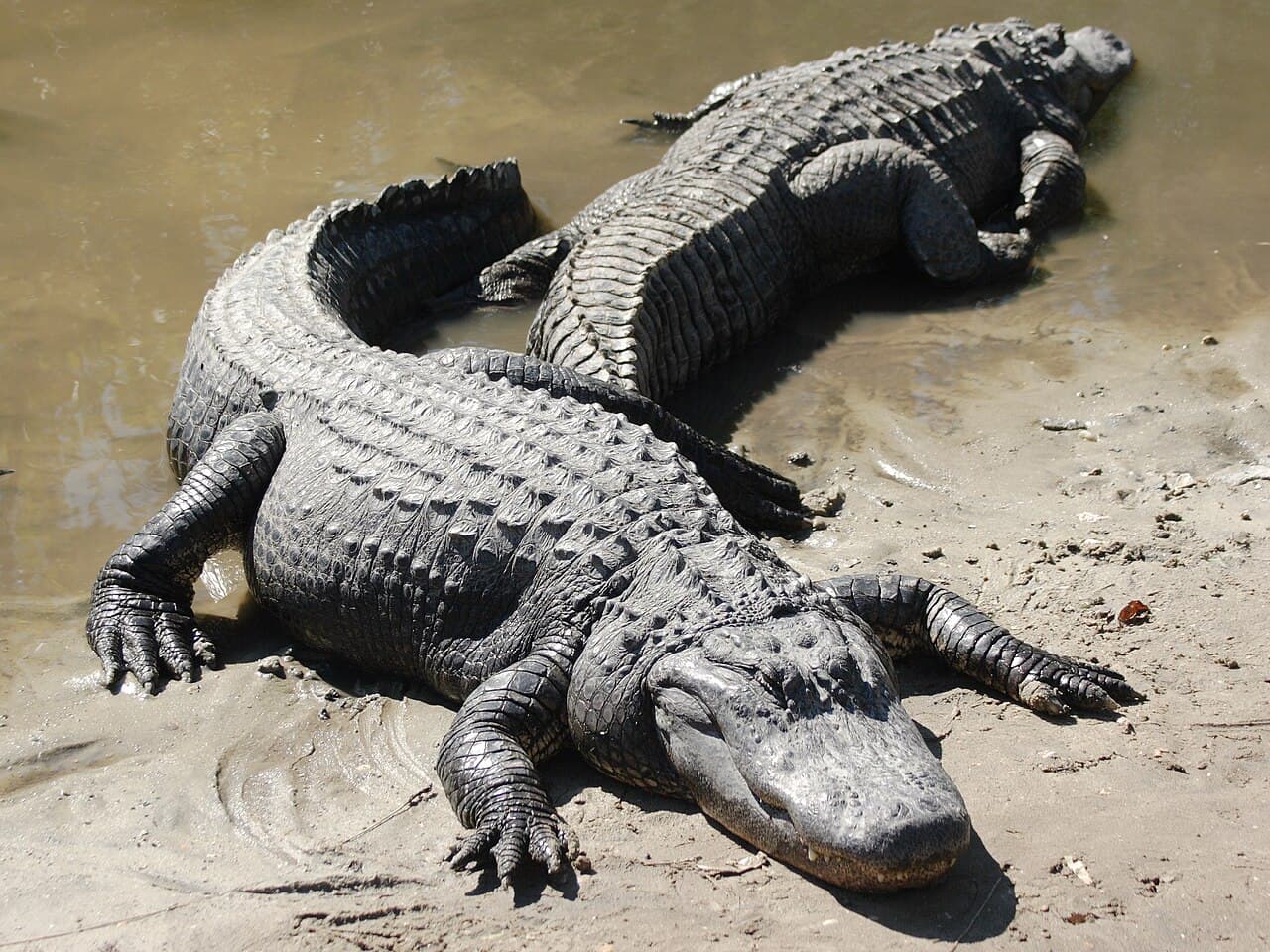
The American alligator, aka the gator, is a large crocodilian reptile native to the Southeastern United States. An adult male can reach up to 4.8 meters long, while the smaller female is only around 3.3 meters. Back in the 19th and 20th centuries, males at a length of 5 to 6 meters were reported. They are black, brown, gray, or olive in color, and the color allows them to camouflage in their habitats. These large predators inhabit tropical and subtropical freshwater wetlands like cypress swamps and marshes, and lakes, ponds, rivers, and streams. They feed on amphibians, birds, fish, mammals, reptiles, and even other American alligators should the opportunity arise. With their powerful jaws and strong teeth, there is nothing that they cannot chomp on.
About 5 decades ago, their population almost vanished from the face of the Earth due to hunting for their hides. Luxury brands use alligator leather for belts, handbags, high-end boots, and other luxury goods. From the 19th century to the mid-20th century, people hunted and poached them nonstop. Then there were habitat loss and pesticide pollution that brought them even closer to extinction. By the early 1960s, seeing an American alligator in the wild had become a rarity. So in 1967, this species received its first Federal protection from the Endangered Species Preservation Act. Today, it is one of the animals that come back from extinction, and it is listed as Least Concern on the IUCN Red List.
2American Bison
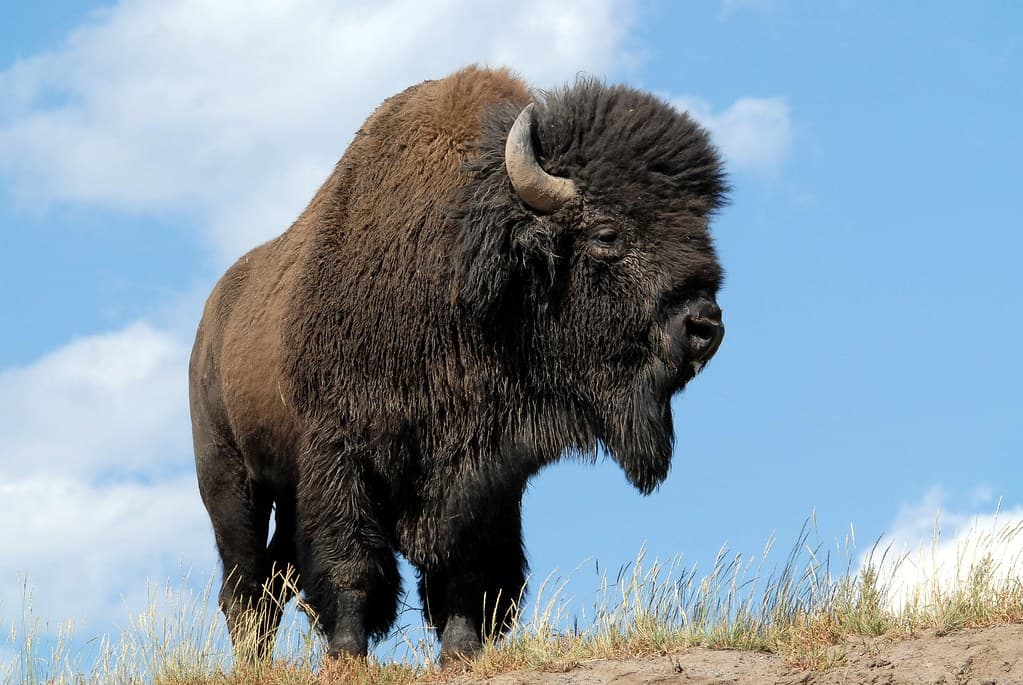
Scientific Name: Bison Bison
The American bison is the largest land-dwelling mammal in North America, with a heavy build and fast running speed. On average, it stands between 1.86 and 2 meters tall and weighs almost a ton. When raised in captivity and farmed for meat, the bison can unnaturally grow very heavy, being almost 2 tons. This large bovid has a massive shoulder rump with a shaggy dark-brown winter coat that looks like no other. Both sexes have short and curved horns that can grow up to 60 centimeters long, which they use for defense and fighting. They inhabit meadows, open prairie grasslands, and scrublands where they feed on forbs, grasses, and sedges. Bison play an important role in the ecosystem as their grazing, trampling, and wallowing aerate the soil and support animal and plant diversity.
American bison includes two subspecies: the plains bison and the wood bison. They had a very strong connection with Native People and their cultures and livelihoods. Before the brink of extinction, nearly 30 million bison were roaming the United States, Canada, and Mexico. The arrival of European Americans in the 1800s led to the decline of the bison in an attempt to subjugate Native People. By the late 1880s, the number plummeted to fewer than 600, most of which lived on private ranches. Now, their population is making a comeback; however, this species remains “ecologically extinct”. Meaning, today’s bison are not considered wildlife, and they are more privately owned and managed as livestock. Current bison do not contribute to their native ecosystems or provide benefits to the soil or other wildlife species as they did previously.
3Blue Iguana
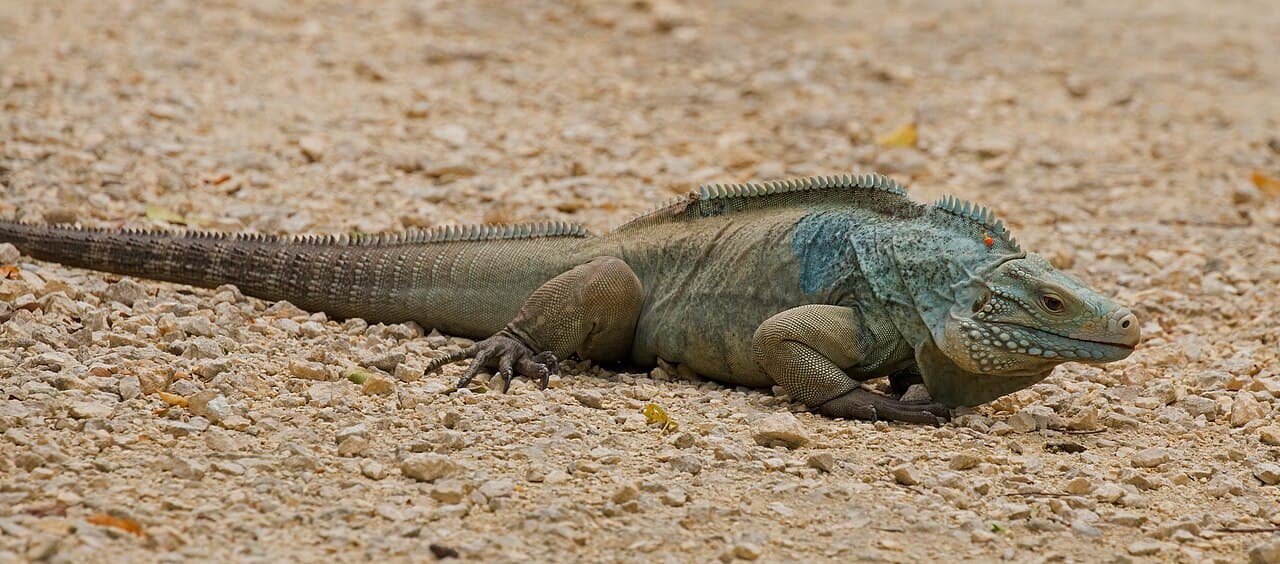
Scientific Name: Cyclura Lewisi
Looking absolutely intimidating due to island gigantism, a blue iguana can reach 1.5 meters long from nose to tail. Females are more olive green to pale blue, while males are dark gray to turquoise blue. Their large and heavy body has a dorsal crest of short spines running from the base of the neck to the end of the tail. More than that, they have strong toes that they use for climbing trees and digging. Males have a more prominent dorsal crest, and they are larger than females by one-third of their body size. Blue iguanas are endemic to the island of Grand Cayman. This reptile inhabits open, rocky, or sunlit areas in dry forests or near the shores where females can dig holes in sand to lay eggs. Across their range, blue iguanas feed on flowers, fruits, and plants.
The Grand Cayman blue iguana, or just blue iguana, is one of the animals that come back from extinction. It is also one of the longest-living species of lizard, with a lifespan of up to over 60 years. Their population was doing really well until European colonization started. By 2003, fewer than 15 animals remained, and they were predicted to become extinct within the first decade of the 21st century. Habitat destruction is the main threat to their lives due to land clearance for agriculture, real estate development, and road construction. The authorities took action in time, and there have been many conservation efforts to bring them back from extinction. Conservationists help them by conducting field research through GPS monitoring and wildlife cameras, controlling invasive species, and expanding protected areas. Now, their status on the IUCN Red List is Endangered, with approximately over 1000 individuals in the wild.
4California Condor

Scientific Name: Gymnogyps Californianus
The California condor is a New World Vulture, and the largest North American land bird. With a wingspan of 3 meters long, this condor has the widest wingspan of any North American bird. Males are larger than females, and their overall height ranges from 1 to 1.4 meters tall. It has black plumage with white patches on the underside of the wings. This condor’s head has little to no feathers, which helps keep it clean when feeding on carrion. And as scavengers, a majority of their diet consists of carrion and carcasses of terrestrial mammalian like deer, sheep, and more. California condors live in coniferous forests, oak savanna, and rocky shrublands.
When it comes to animals that come back from extinction, this is an impressive species. It began when their number dramatically declined in the 20th century due to agricultural chemicals, habitat destruction, lead poisoning, and poaching. Then, it became extinct in the wild in 1987 when all remaining wild individuals (22) were captured. The breeding program of the surviving individuals started at the Los Angeles Zoo and San Diego Wild Animal Park. Other parks have also joined, and this cooperative effort has expanded the range of the condors and restored their habitats. In early 1991, they were reintroduced into the wild, and their population has grown since then. In December 2025, their number was 607 and thriving. Their current status on the IUCN Red List is Critically Endangered, and the threats are still present.
5Eurasian Beaver

Scientific Name: Castor Fiber
Eurasian beaver is the second-largest living rodent species in the world; the first is the capybara. An adult Eurasian beaver has an average length of 1 to 1.5 meters from head to tail. Beavers have iron in their teeth that allows them to cut down trees to build dams and lodges. Their coat consists of two layers: the soft undercoat and the outer coat with tough and coarse hairs. On land, these beavers have poor eyesight. But underwater, their translucent eyelids help them see and stay below the surface for up to 15 minutes. We all know how talented beavers are when it comes to their ability to build dams. Deep down, these dams create complex wetlands that provide habitats for many species of birds, fish, mammals, and vegetation. Speaking of vegetation, these rodents feed on bark, buds, leaves, plants, roots, shoots, and twigs.
While most animals that come back from extinction bounced back from very little number, this one had a bigger chance. In the early 20th century, there were roughly 1,200 remaining individuals that were very close to extinction. Actually, they went extinct in some countries already before coming back from that. Despite a big number, the number of them losing their lives every day was also high. Humans hunted and trapped them for their fur and meat, as well as their castoreum to use in medicines and perfumes. Meanwhile, habitat loss and wetland drainage were threatening their population on the side. Thanks to the conservation and protection programs, there are at least 1.5 million Eurasian beavers across Asia and Europe now. The reintroduction into various countries and regions has brought them from Critically Endangered to Least Concern on the IUCN Red List.
6Greater One-Horned Rhino
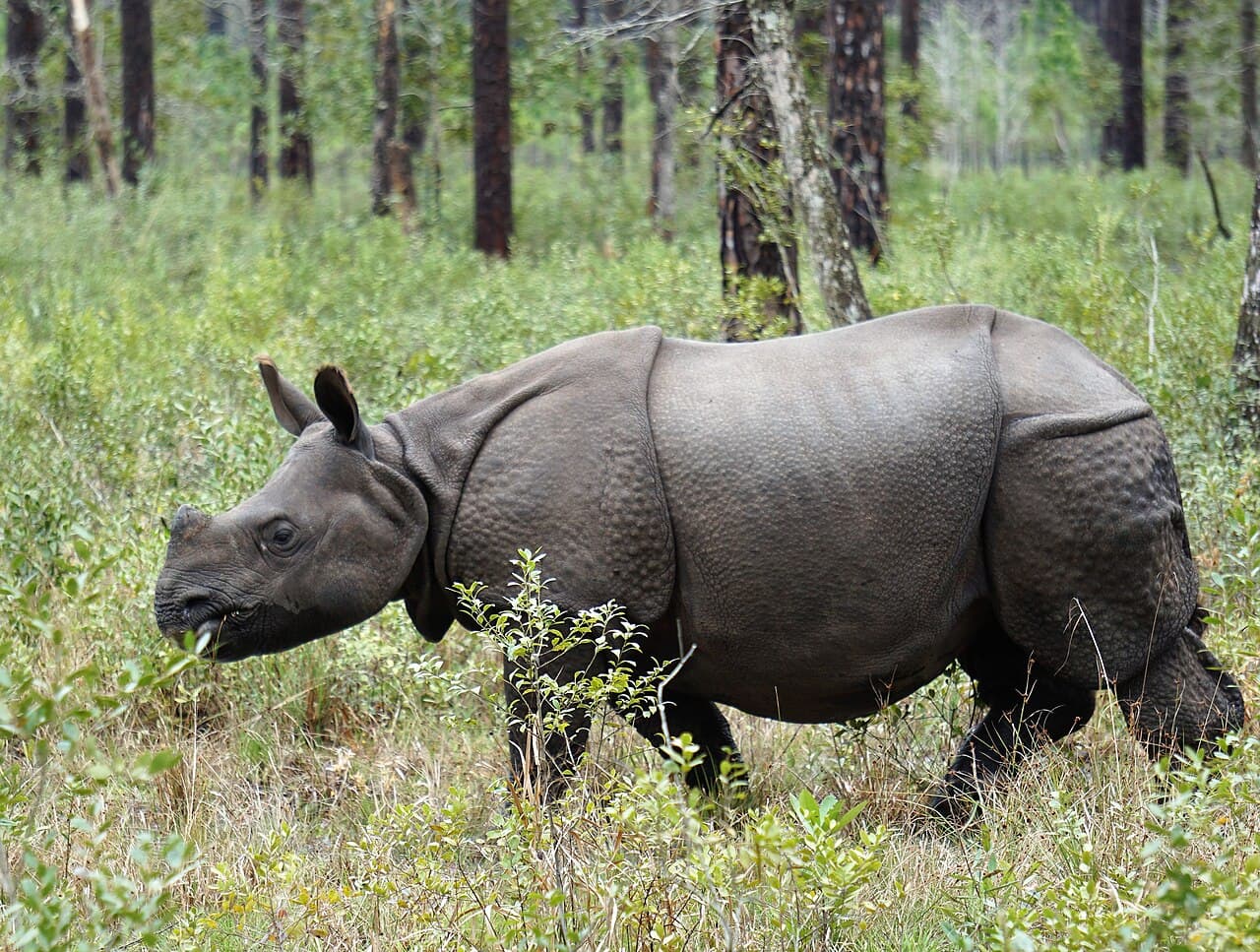
Scientific Name: Rhinoceros Unicornis
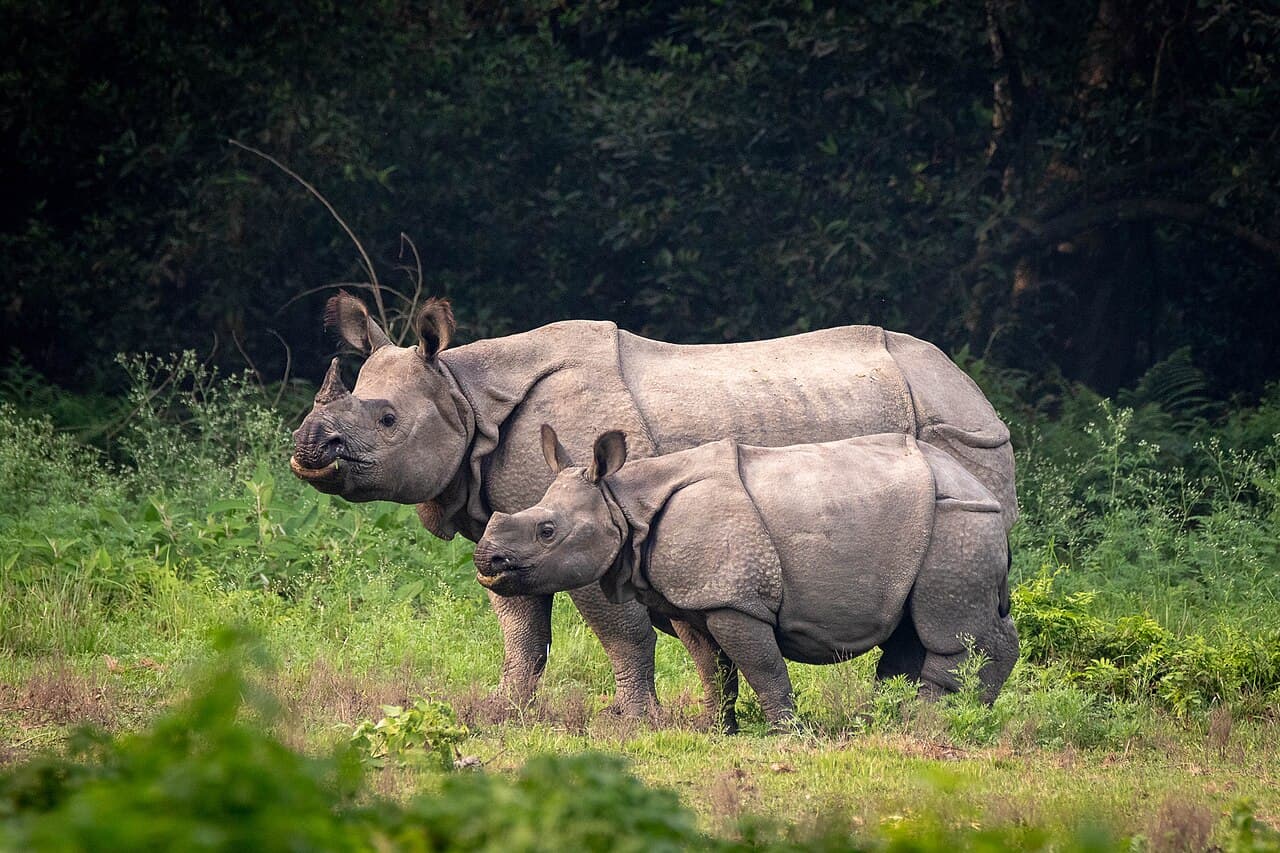
The greater one-horned rhino, or Indian rhino, is the largest of the Asian rhino species. It stands 1.5 meters to 2 meters tall, weighing between 1,600 and 3,000 kilograms. Just like the name suggests, its distinctive feature is a single horn. This horn is 20 to 61 centimeters long and weighs up to 3 kilograms. The horn is made of keratin, just like humans’ nails, and it will regrow if broken off. Indian rhinos don’t use their horns for fighting; the horns are used to search for food and forage for roots. A greater one-horned rhino has gray-brown hide with skin folds that function as its thick armor. Being semi-aquatic, this rhino species often takes up residence in forests, riverbanks, swamps, and anywhere near nutritious mineral licks. As grazers, their diet primarily consists of aquatic plants, branches of shrubs and trees, fruits, grasses, and leaves.
We witness different rhino species becoming extinct one by one in the 21st century, and the Indian rhino was close to that status. It was once widespread across the entire northern part of the Indian subcontinent, but things changed in the 20th century. People killed them as agricultural pests or hunted them for sport, pushing them to the brink of extinction. Poaching for the illegal trade in rhino horn remains the biggest threat to their numbers. At the same time, growing human population also affects their habitats and ranges. When people start to invade their natural habitats, they start to forage in surrounding villages. The clash causes them to kill people and vice versa. With strict protection and management from Indian and Nepalese wildlife authorities, there was some hope in their population comeback. Now, there are around 400 Indian rhinos in northeastern India and the Terai grasslands of Nepal.
7Spix’s Macaw
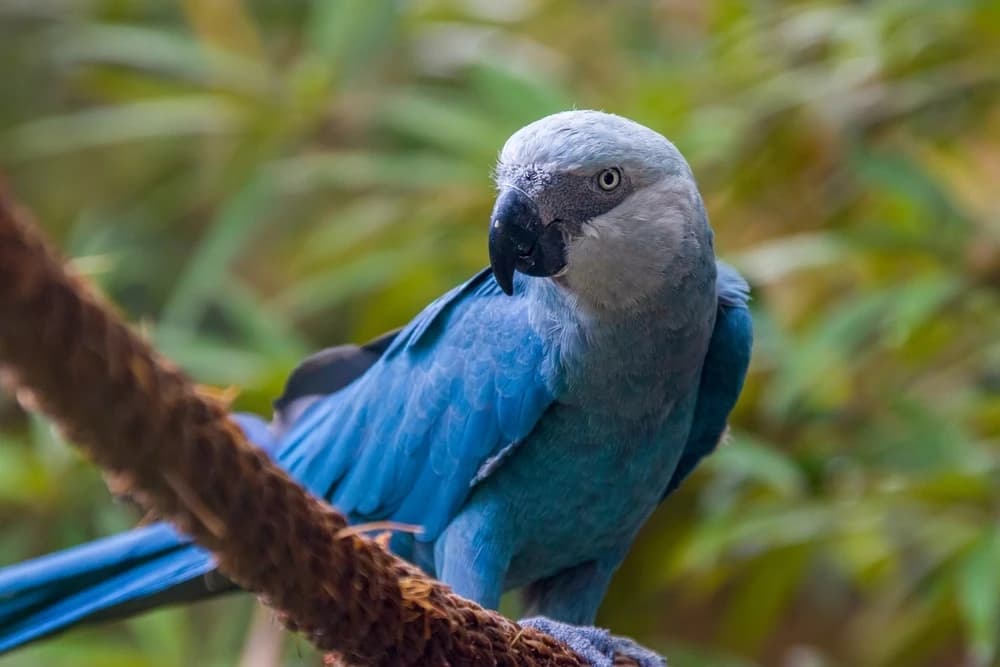
Scientific Name: Cyanopsitta Spixii
The Spix’s macaw or blue macaw has various shades of blue, with a gray-blue head and light blue underparts. Their facial skin is gray, their beak is entirely dark gray, and their irises are yellow. Males and females are almost identical in appearance, but females are slightly smaller. It is about 56 centimeters long, including the tail length of around 26 to 38 centimeters. Blue macaws are very routine-oriented birds, bathing, following the same flight paths, and scavenging at the same time each day. The habitat of this beautiful bird species is very small, and it depends entirely on trees for feeding, nesting, and roosting. Native to Brazil, their population thrives in interior northwestern Brazil, where they feed on buriti palms and various seeds.
Blue is a rare color in animals, and this is why poachers kept poaching them. Poachers and trappers captured adults, fledglings, and removed eggs from nests for decades to sell to wealthy owners. In 1987, the price for a pair of blue macaws was already $40,000, and it is probably double or triple the price today. Not to mention a whole century of intensive burning, grazing, and logging of their natural habitats; nothing can survive that. It is also the rarest and one of the most protected birds in the world, and it has no known subspecies. The IUCN officially declared the extinction of the blue macaw in the wild in 2019. However, in the early 2000s, conservation efforts bred 200 blue macaws from captive birds. Then, 52 individual birds were reintroduced into their natural environment in 2022.
Related Post: Animals That Humans Hunted To Extinction