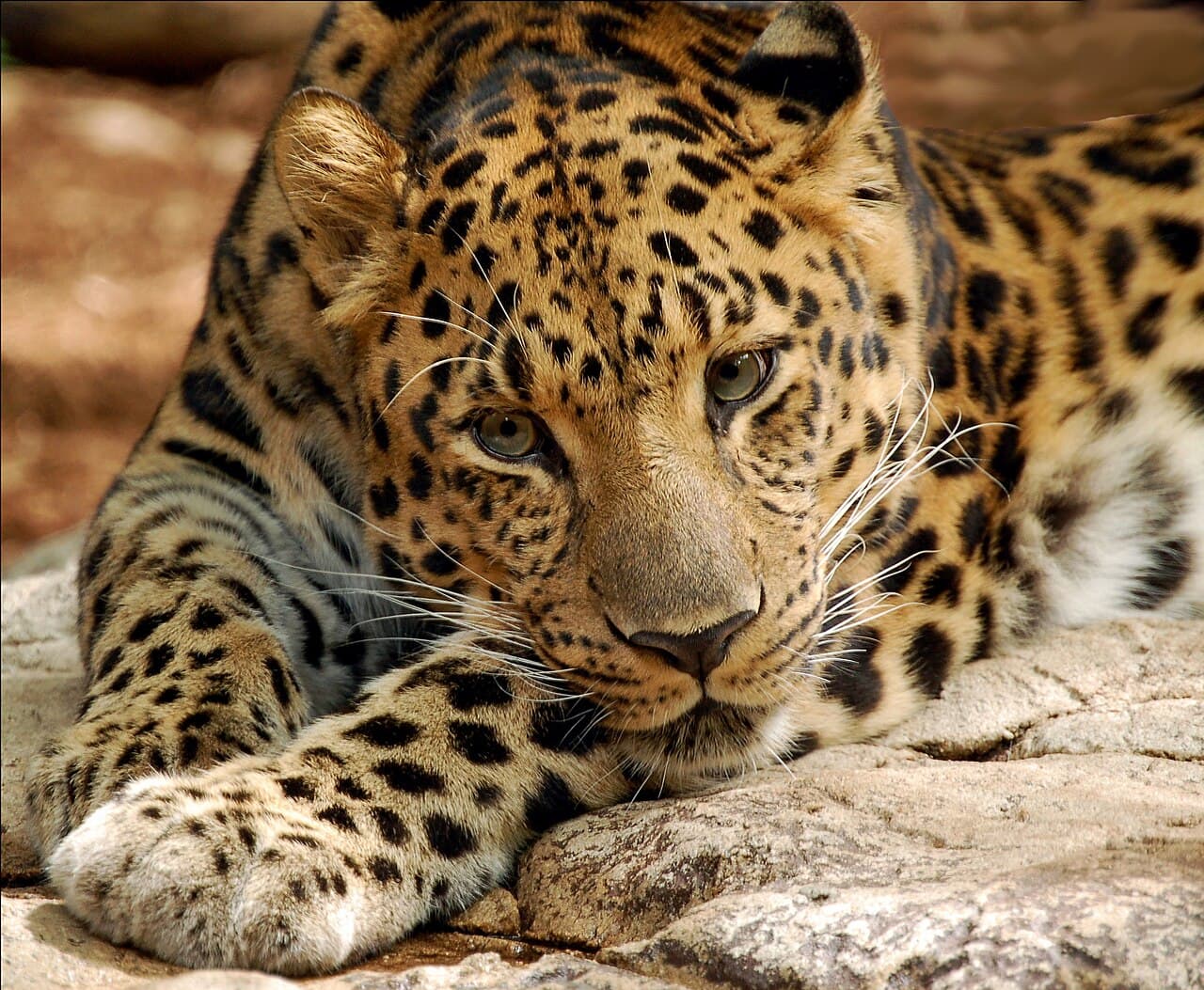
Amur leopard is a beautiful feline species that is facing threats, and needs saving. We all know about leopards, but some specific species like this one deserve some recognition and protection. There are 8 leopard subspecies, and the Amur leopard is the lesser-known of them all while being so unique. At a glance, it looks just like any other leopard out there. This is why we are going to dive deeper and learn some more details about this stunning big cat. Perhaps they are still around, and that their numbers keep growing.
1Appearance
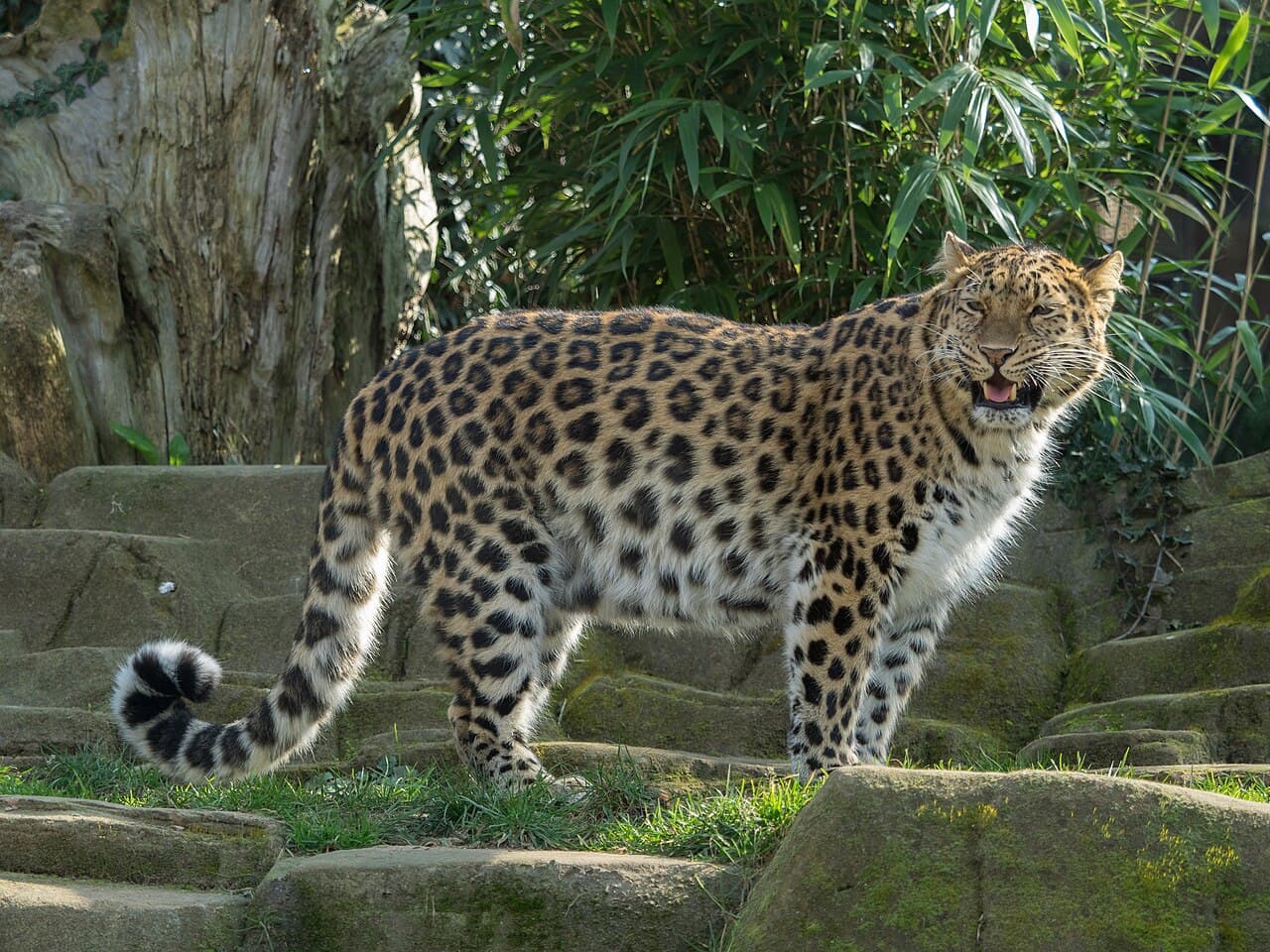
Males are bigger, measuring 1 to 1.36 meters with a tail that is 82 to 90 centimeters. As for females, they are only 74 to 109 centimeters, with a 81 to 89 centimeters tail. An Amur leopard has a very long tail that it uses for balance while climbing. An Amur leopard is very easy to recognize, with its thick fur that is pale cream in color with widely spaced dark rosettes. The fur is soft with long and dense hair, and the colors are different in different seasons. The summer coat is bright with vivid patterns, while the winter coat is light yellow to rusty-reddish-yellow. Living in regions with sub-zero temperatures, these big cats have long and thick fur that grows up to about 7 to 7.5 centimeters. That’s not all, they also have large paws that work like snowshoes to let them walk on snow without sinking.
2Behavior
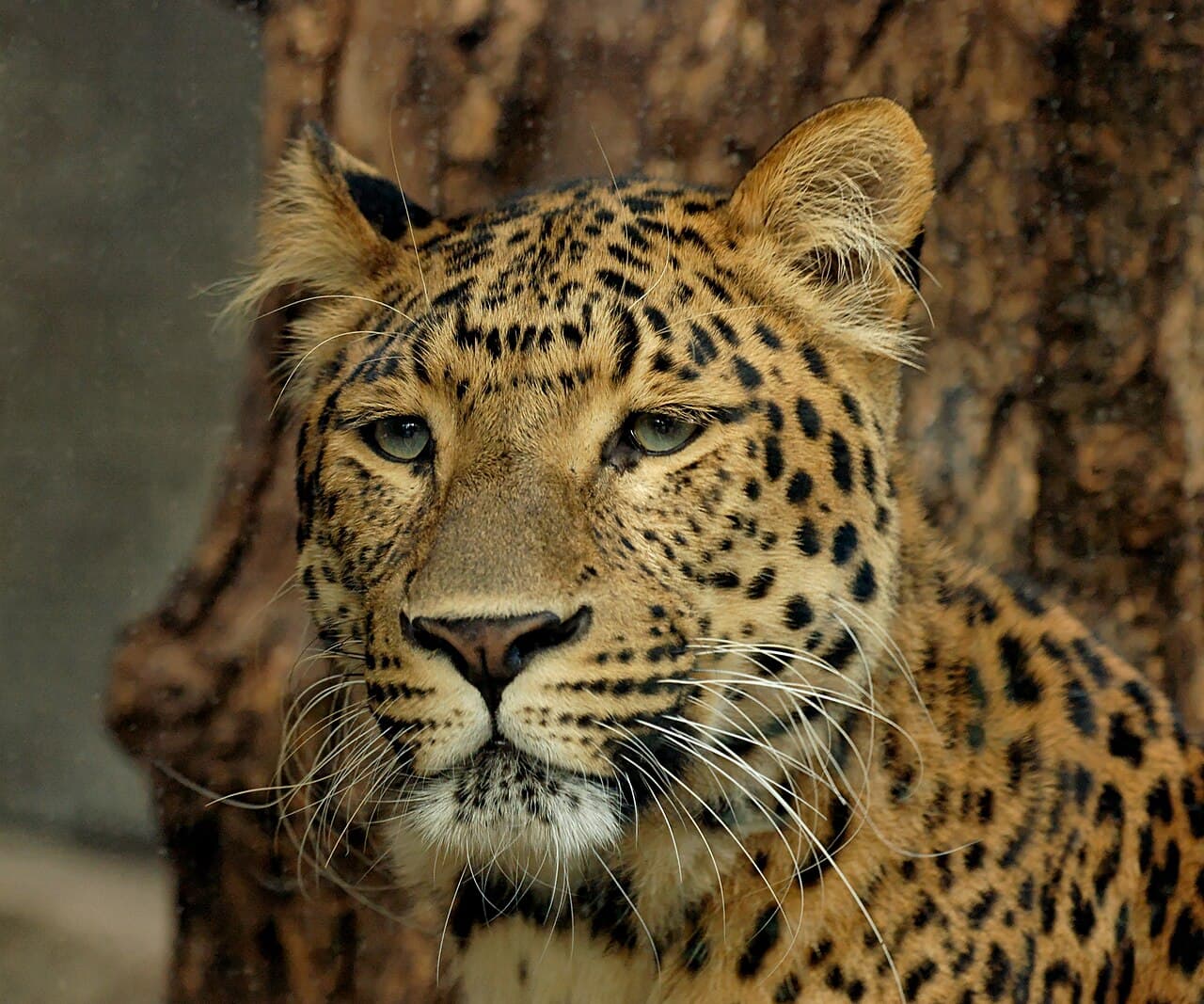
Not different from other leopard subspecies out there, this one is also solitary, and they only come together to mate. However, some males do stay with females after mating and may even help with rearing the young. And due to the small population, sometimes several males follow and fight over a female. Amur leopards are very agile and strong felines that can sprint up to 45 kilometers per hour. These big cats are very capable predators with a great ability to also climb and swim. On top of that, they can leap more than 6 meters horizontally and 3 meters vertically.
3Feeding & Habitats
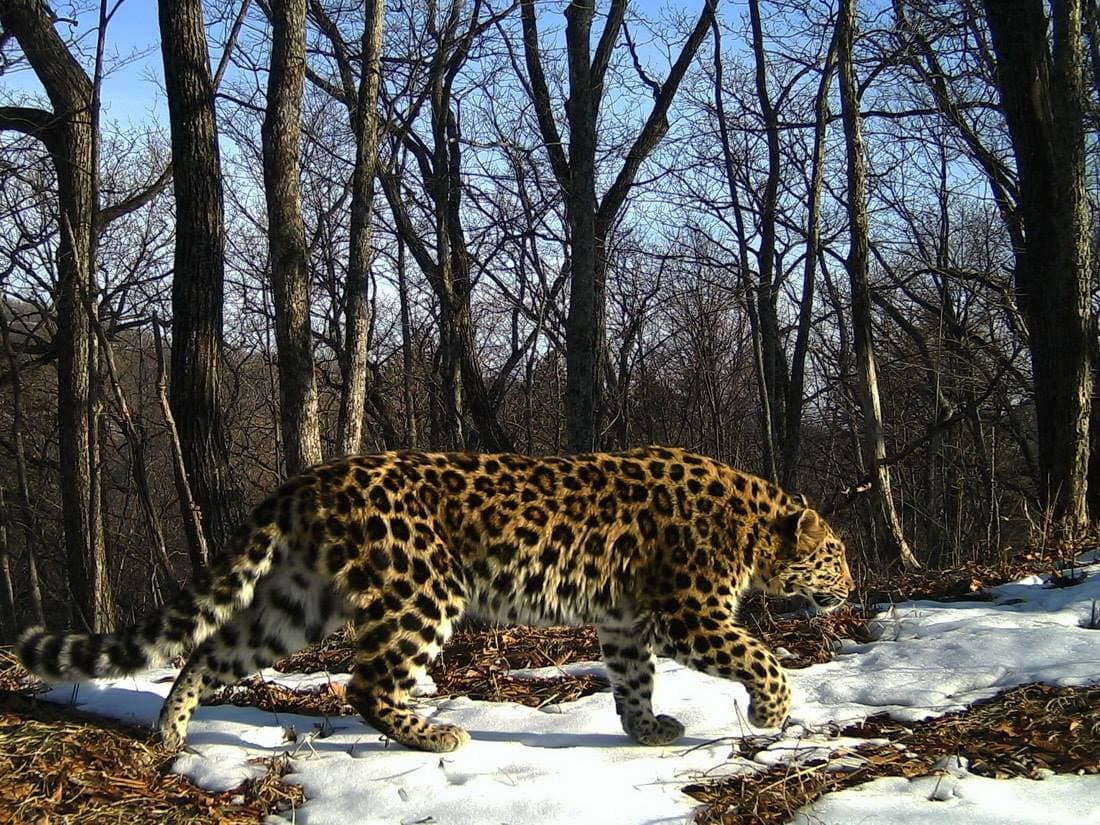
Amur leopards are nocturnal, so they come out to hunt at night. In the dark, they rely on hearing, stealth, and vision to stalk prey before pouncing on them. They prefer bigger meals like roe deer, sika deer, and wild boar, but will also settle for badgers, birds, hares, and rodents. These fierce hunters hoist their prey into trees to keep it away from larger predators and scavengers. They are also good at sneaking up on their prey; their nickname is “silent killer”.
This big cat is native to the temperate forests of the Russian Far East and northeastern China. In the Russian Far East, these leopards adapt very well to the cold climate and heavy snowfall. They live in mountainous areas where prey like sika deer live. As for the population in China, they live in habitats with broadleaved and conifer forests. The thing is that they are extremely conservative in their choice of territory. Their choice is mostly in a river basin, which generally extends to the natural topographical borders of the area. Amur leopards mark boundaries with scent and scrapes, and they communicate using vocalizations like chuffs, growls, purrs, and snarls.
4Status & Threats
By 2023, there were only around 130 individuals remaining in the wild. The Amur leopard is considered Critically Endangered on the IUCN Red List due to a few threats. People poach them for their spotted fur and also as prey. Their population is being threatened by habitat fragmentation and habitat loss from deforestation, forest fires, logging, and road construction. Other reasons, like competition for food, disease risks, and low genetic diversity/inbreeding, also play a part in their population decline.
Related Post: Leopard Subspecies