Mole cricket looks absolutely different from crickets out there, and you can easily tell why. People consider them as pests though they are harmless to humans and pets. They do not bite or sting, but they can destroy plants. Want to find out more about this strange little bug? Feel free to check out below.
1Appearance
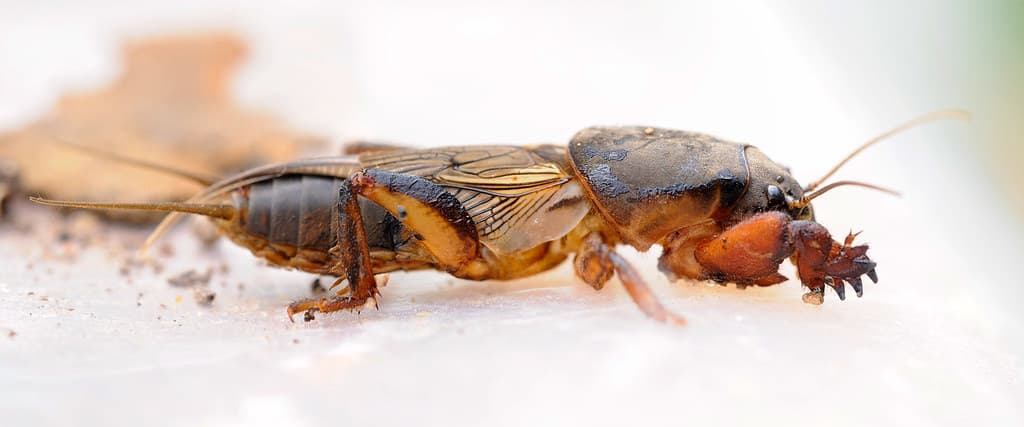
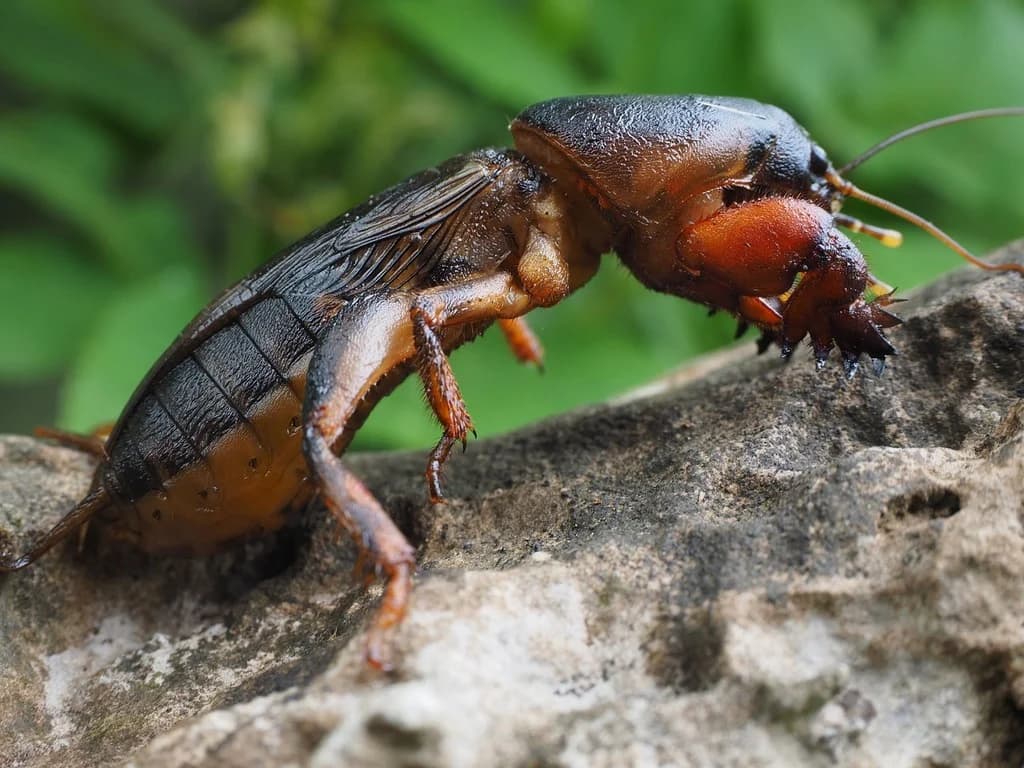
A mole cricket has a cylindrical and stout body, reaching a length of about 3 to 5 centimeters. Its body is covered with fine and dense hair, and there are two thread-like antennae on its head. A mole cricket is chestnut brown with a silky shimmer and a yellowish underside. This cricket has two pairs of wings that are folded flat over the abdomen. In some species, the wings are small, so they are not able to fly. As for the ones who can fly, they can do it powerfully. Females take wing soon after sunset, and they usually go to the areas where males are calling. However, they spend most of their lives below ground, digging tunnels of different kinds for their daily life needs.
As you can see, its fore limbs look like hands, and a mole cricket uses these shovel-like limbs for burrowing. As for its hind legs, they look just like what the legs of a true cricket has. However, the job of the hind legs is to push soil, not for leaping. Mole crickets rarely leap, and even if they do, they leap very poorly.
2Behavior
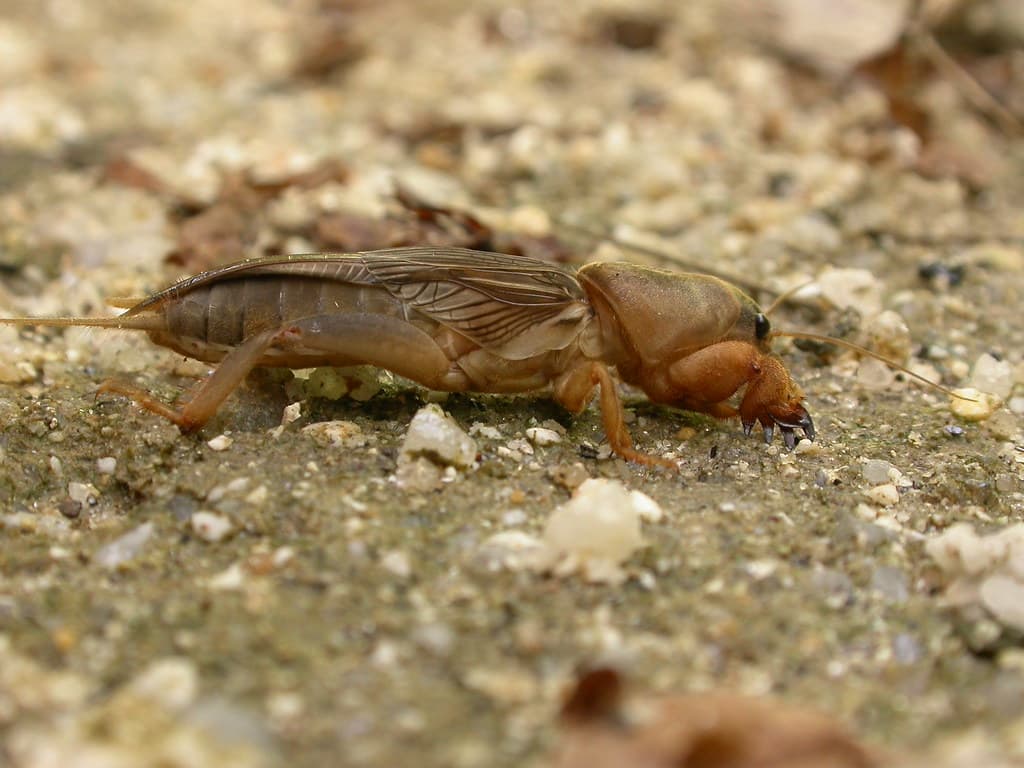
Males attract mates by constructing specially shaped tunnels in which they sing. They sing by stridulating, always under the ground, and females fly to them. The calls are usually at dusk or during the night, especially after the rain. Females also make calls, but not to attract mates. They make a quieter call to protect their own burrows. Mole crickets mate underground, and females dig a small chamber to lay their eggs. Most female mole crickets guard the eggs until they hatch, and stay to care for the hatchlings also.
3Feeding & Habitats
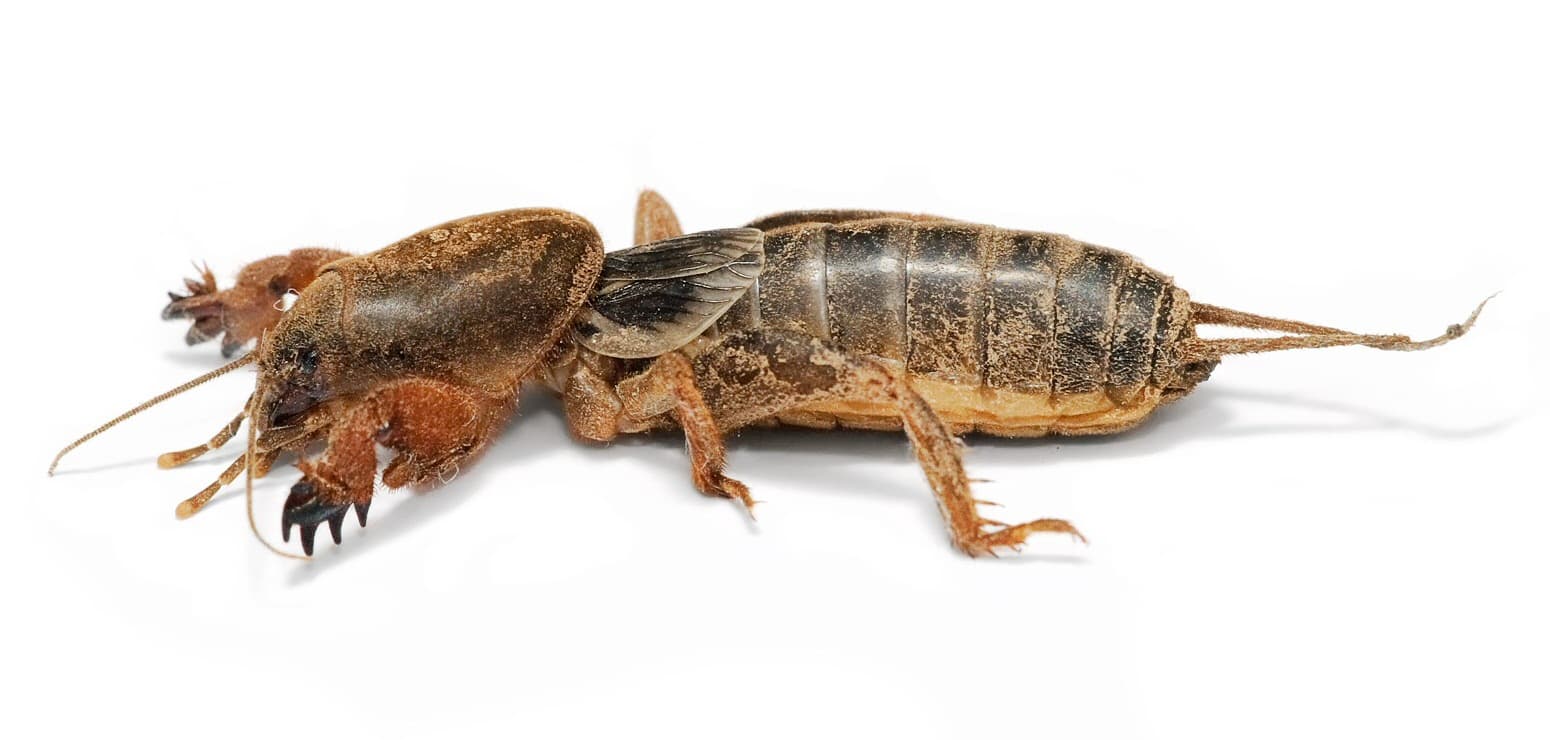
Mole crickets are both herbivores and omnivores, depending on the species. The herbivorous ones mainly feed on roots, while the omnivorous ones eat grubs and worms. Generally, mole crickets are very common, and they mostly inhabit agricultural fields and grassy areas. As long as there are damp and rich soils, mole crickets will thrive just fine. This is why it is uncommon to find them in compost heaps, gardens, parklands, and well-watered lawns like golf courses. These crickets fall prey to beetles, birds, lizards, spiders, and toads. In Australia, blue ants use mole crickets as the host to lay their eggs in.
Related Post: Spiked Magician Facts